Precision Casting Defects: Temperature Control Checks Before Production
In precision casting, even a small temperature deviation before production can trigger defects such as shrinkage, misruns, hot tears, or dimensional instability.
Pre-production thermal checks are therefore not routine paperwork. They protect process reliability, operator safety, energy efficiency, and scrap control.
This guide explains where temperature risks appear, how scenarios differ, and which checks should be confirmed before pouring begins.
Precision Casting Defects: Temperature Control Checks Before Production
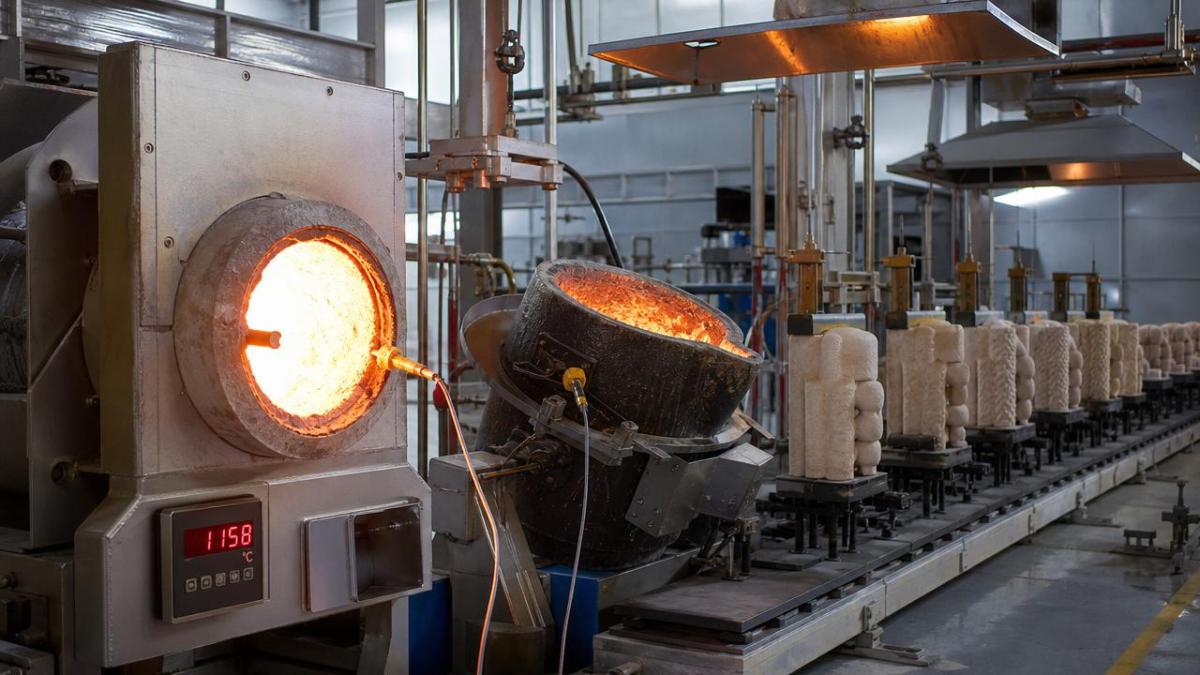
Temperature control in precision casting begins before metal enters the mold. It includes the furnace, ladle, shell, preheat oven, ambient zone, and monitoring system.
A stable reading at one point does not prove process stability. The full thermal path must be checked as an integrated system.
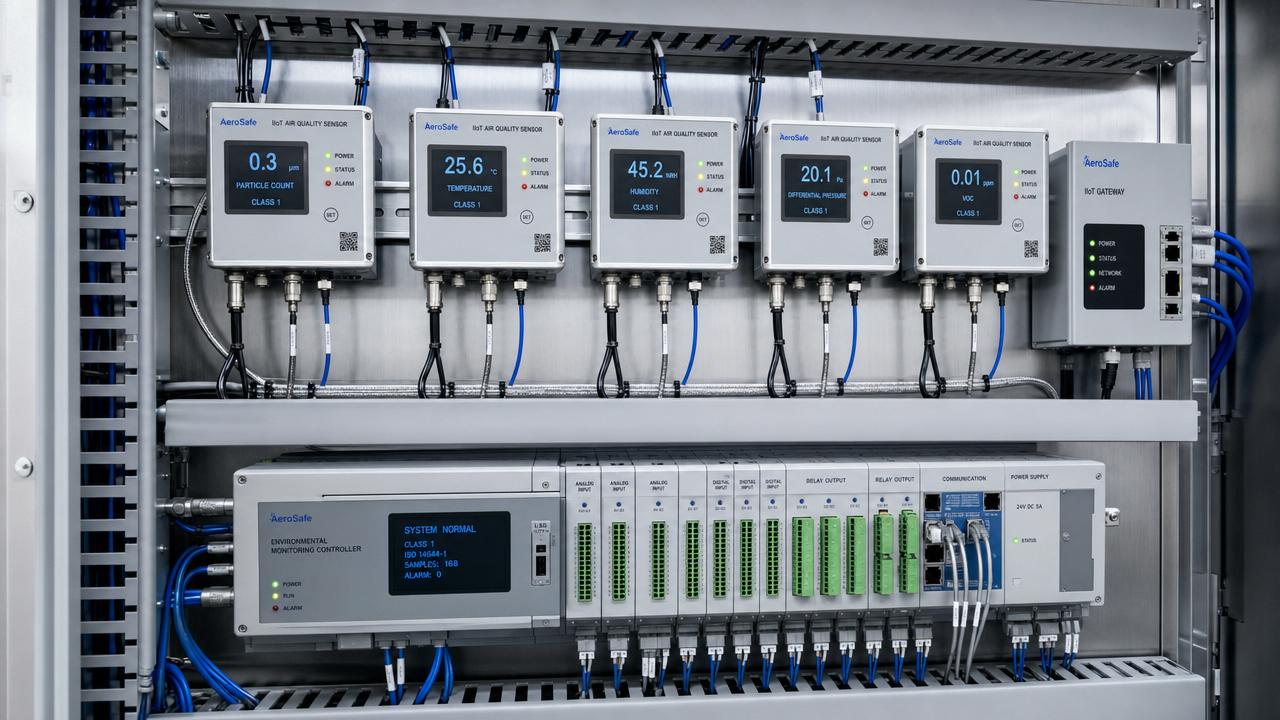
For plants using digital monitoring, the most valuable data is not only the setpoint. Trend consistency, sensor drift, and thermal recovery matter more.
Scenario Background: Why Temperature Risk Changes by Casting Condition
Precision casting covers different alloys, geometries, mold materials, and production speeds. Each condition changes the acceptable thermal window.
Thin-wall parts need stronger fluidity. Heavy sections need controlled solidification. Complex cavities require balanced shell temperature and pouring consistency.
The same pouring temperature may perform well in one precision casting job and fail in another.
This is why pre-production checks should be scenario-based. A checklist must reflect alloy behavior, mold condition, part geometry, and environmental exposure.
Scenario 1: Thin-Wall Precision Casting with Misrun Risk
Thin-wall precision casting is sensitive to heat loss. If metal loses fluidity too early, incomplete filling and cold shuts can appear.
Before production, verify furnace temperature, ladle preheat, transfer time, and shell preheat. These points decide whether metal reaches the cavity with enough energy.
Check whether the first pour after downtime has different thermal behavior. Cold ladles and cooled handling tools often cause early defects.
- Confirm metal superheat is within the approved process range.
- Verify shell temperature at the actual loading point.
- Measure transfer delay from furnace to pour.
- Reject unheated ladles from critical precision casting runs.
Scenario 2: Heavy-Section Parts with Shrinkage Sensitivity
Heavy-section precision casting does not only require enough heat. It requires controlled heat extraction and predictable solidification.
Excessive pouring temperature may increase shrinkage cavities, coarse grains, and feeding difficulty. Low temperature may cause poor fusion or surface defects.
Before production, compare pouring temperature with riser design, shell insulation, and cooling conditions. These factors determine shrinkage control.
In this scenario, the best precision casting result often comes from thermal discipline, not higher heat.
- Check holding time to avoid overheating during delays.
- Validate shell preheat uniformity around thick regions.
- Confirm cooling area airflow is not unstable.
- Review prior shrinkage maps before release.
Scenario 3: High-Alloy or Reactive Metals with Narrow Thermal Windows
Some precision casting alloys have narrow process windows. Titanium, nickel-based alloys, and stainless grades may react strongly to thermal deviation.
A few degrees can influence oxidation, inclusion formation, grain structure, and dimensional stability. Furnace atmosphere and mold temperature become critical checks.
Confirm thermocouple calibration before production. A drifting sensor can make an unstable process appear compliant.
For high-alloy precision casting, temperature records should be linked with batch traceability. This supports audit readiness and root-cause analysis.
Scenario 4: Tight-Tolerance Components Requiring Dimensional Stability
Precision casting for tight-tolerance components depends on repeatable expansion and contraction. Mold temperature variation can shift final dimensions.
Dimensional drift may not appear as a visible defect. It may appear during machining, assembly, or final inspection.
Before production, check mold preheat distribution, cooling rate consistency, and ambient temperature stability near inspection-sensitive areas.
Smart environmental monitoring helps identify hidden changes. Door opening, airflow shifts, or seasonal humidity can affect precision casting repeatability.
Scenario 5: Multi-Line Production with Environmental Control Pressure
In multi-line precision casting, temperature variation may come from shared utilities, uneven ventilation, or different operator timing.
One line may meet standards while another experiences random defects. The cause may be plant-level thermal imbalance rather than furnace operation.
Industrial climate control, process HVAC, and digital twin monitoring can support more stable casting environments.
For critical precision casting operations, ambient monitoring should include air temperature, airflow direction, humidity, and thermal recovery after door movement.
Different Scenario Requirements for Temperature Control
Practical Temperature Checks Before Pouring Begins
A strong precision casting checklist should confirm both equipment condition and actual thermal behavior.
The following actions help reduce casting defects before production release.
- Verify furnace setpoint against an independent calibrated reference.
- Confirm metal temperature after holding, not only after melting.
- Check ladle, runner, and tool preheat status.
- Measure shell temperature at several representative locations.
- Record transfer time and compare it with the approved limit.
- Review ambient temperature and airflow near pouring stations.
- Check alarm limits, trend logs, and data continuity.
These checks support precision casting quality because they address the complete thermal route, not one isolated reading.
Scenario Adaptation Advice for Stable Precision Casting
Adaptation should follow defect risk. Each precision casting scenario needs a different balance between heat input, heat retention, and cooling control.
- For misrun risk, reduce heat loss during transfer and improve shell readiness.
- For shrinkage risk, avoid excessive temperature and verify feeding performance.
- For high-alloy work, strengthen sensor validation and atmosphere management.
- For dimensional control, stabilize mold temperature and cooling environment.
- For multi-line operations, compare thermal maps across lines before release.
A scenario-based plan prevents overcorrection. Raising temperature is not always the safest answer in precision casting.
Common Misjudgments That Lead to Casting Defects
One common mistake is trusting furnace temperature alone. The actual precision casting process includes transfer loss and mold interaction.
Another mistake is ignoring first-piece conditions. Equipment may be within range after warmup but unstable during the first production cycle.
Some teams also overlook environmental drift. Airflow from doors, fans, or HVAC changes can affect shells, ladles, and cooling zones.
A further risk is poor data alignment. Temperature logs must match batch numbers, operators, alloy charges, and inspection outcomes.
Without aligned records, precision casting defects become harder to investigate, and corrective actions become less reliable.
Using Monitoring and Environmental Control to Reduce Risk
Modern precision casting benefits from connected thermal management. Sensors, alarms, and environmental dashboards help detect deviation before scrap appears.
Industrial climate and environmental-control systems can support more stable production zones, especially where airflow and temperature recovery influence outcomes.
Digital trend analysis is also valuable. It shows whether a process is stable, drifting, or recovering too slowly after interruption.
For regulated or high-value precision casting, this evidence improves compliance, defect prevention, and continuous improvement.
Action Guide: What to Do Before the Next Production Run
Before the next precision casting run, review recent defects and connect each issue to possible temperature causes.
Then update the pre-production checklist by scenario. Do not use the same limits for every alloy, mold, or geometry.
- Define critical temperature points from furnace to cooling area.
- Set acceptance ranges for each precision casting scenario.
- Calibrate sensors and confirm backup measurement methods.
- Record first-piece thermal data before full release.
- Link temperature records with inspection and scrap reports.
Reliable precision casting starts before pouring. When temperature checks match the real production scenario, defects become more predictable and preventable.
A disciplined thermal review helps stabilize quality, reduce rework, and build a stronger foundation for compliant industrial production.
Get weekly intelligence in your inbox.
No noise. No sponsored content. Pure intelligence.
 Jun 01, 2026Market Intelligence Reports: Signals That Support 2026 Expansion PlansMarket Intelligence Reports reveal the technical, regulatory, and ESG signals leaders need to plan resilient 2026 expansions with lower risk and stronger ROI.
 Jun 01, 2026Matter Compatible Devices: Setup Risks in Mixed Smart HomesMatter compatible devices can simplify mixed smart homes, but setup risks remain. Learn how to avoid pairing issues, network gaps, feature limits, and automation conflicts.
 Jun 01, 2026USB C Docking Stations: Power Delivery Limits to Check FirstUSB C docking stations can make or break workstation stability. Learn the key power delivery limits to check before buying for safer, smoother daily operation.
 Jun 01, 2026Healthcare Analytics in 2026: Data Quality Checks Before DeploymentHealthcare Analytics in 2026 demands trusted data before deployment. Learn key quality checks for completeness, traceability, compliance, and safer go-live decisions.
 Jun 01, 2026OEM Machined Parts: Tolerance Risks That Raise Assembly CostsOEMmachinedparts tolerance risks can drive rework, delays, and hidden assembly costs. Learn how to control specs, suppliers, and sourcing decisions.
 Jun 01, 2026China Excludes UPW Regeneration Modules from Hazardous Waste RulesChina exempts UPW regeneration modules from hazardous waste rules—key update for semiconductor suppliers, fabs & logistics firms. Learn implications & compliance steps.
 Jun 01, 2026Blue Bee Expo 2026: Maglev Chiller Export Orders Surge 210%; ±0.01°C Control Now Key EU/US Procurement CriterionBlue Bee Expo 2026: Maglev chiller export orders surge 210%; ±0.01°C control & Digital Twin validation now mandatory for EU/US tenders.
 Jun 01, 2026ECHA Updates SCIP Rules: AMC Filtration Exporters Must Disclose Regeneration ParametersAMC filtration exporters must now disclose adsorbent regeneration parameters in SCIP submissions—key for EU compliance. Act before 1 July 2026.
 Jun 01, 2026IEC Revises IEC 60335-2-102: New Mandatory Real-Time Calibration for IIoT Air Monitoring in Class 1–9 SystemsIEC 60335-2-102 revision mandates real-time IIoT air monitoring calibration for Class 1–9 cleanroom systems—act now to ensure compliance, certification & market access.
 Jun 01, 2026FDA Tightens Import Rules for BSL-3/4 Decon SystemsFDA tightens import rules for BSL-3/4 decon systems: Full-cycle biological validation now mandatory for U.S. market access—act before May 30, 2026.
 May 31, 2026Corrugated Plastic Boxes for Retail Packaging: When to Use ThemCorrugated plastic boxes for retail packaging offer durable, reusable, moisture-resistant solutions. Learn when they outperform cartons and how to choose the right design.
 May 31, 2026OEM Machined Parts: Tolerance Risks to CheckOEM machined parts can hide tolerance risks that cause leaks, vibration, contamination, or compliance issues. Learn key checks before supplier approval.
 May 31, 2026Solar Panels Wholesale Cost Guide 2026Solar panels wholesale cost guide for 2026: compare pricing, landed costs, certifications, and supplier risks to buy smarter and protect long-term ROI.
 May 31, 2026Medical Grade Silicone: Key Safety ChecksMedical grade silicone safety checks for QC teams: verify compliance, traceability, compatibility, and performance to reduce contamination risk and downtime.
 May 31, 2026How to Size Fan Filter Units for ISO CleanroomsFan Filter Units sizing guide for ISO cleanrooms: learn how to balance airflow, coverage, pressure, heat load, and energy cost for reliable contamination control.
 May 31, 2026Blue Bee Expo Nanjing 2026 Closes: Maglev Chillers See 210% Overseas Order GrowthMaglev chillers drive 210% overseas order growth at Blue Bee Expo Nanjing 2026 — discover how ±0.01°C precision & ASHRAE 188-2024 Annex J compliance are reshaping global HVAC procurement.
 May 31, 2026FDA Updates BSL-3/4 Lab Equipment Import Rules for Decon SystemsFDA updates BSL-3/4 lab equipment import rules for decon systems—new VHP/GHP validation requirements take effect immediately. Act now to avoid shipment delays.
 May 31, 2026IEC Launches Revision of ISO Class 1–9 Cleanroom Standards with IIoT Air Monitoring Calibration RequirementIEC mandates IIoT air monitoring calibration for ISO Class 1–9 cleanrooms—key for pharma, semiconductor & biotech exporters. Act now to align with 2027 enforcement.
 May 31, 2026China Excludes UPW Resin Modules from Hazardous Waste RulesUPW resin modules now exempt from China’s hazardous waste rules—boosting export efficiency for semiconductor, pharma & electronics firms. Key update for global supply chains.
 May 31, 2026EU Adds DBDPE to SVHC Candidate List: AMC Filtration Exporters Must Update SDS and SCIPEU adds DBDPE to SVHC list—AMC filtration exporters must update SDS & submit SCIP notifications by 5 May 2026. Act now to avoid delays, audits, and lost tenders.
 May 30, 2026Industrial HVAC Tender Alerts: What to Track in 2026industrial hvac tender alerts in 2026 reveal project signals, compliance risks, and market opportunities—learn what to track to bid smarter and plan ahead.
 May 30, 2026Wireless EV Charging: Efficiency Losses ExplainedWireless EV charging efficiency losses explained: compare plug-in systems, key loss points, cost impacts, and procurement tips for smarter fleet decisions.
 May 30, 2026Solar Panels Wholesale USA: Price vs Warranty ChecksSolar panels wholesale USA buyers: learn how to compare price, warranty, supplier stability, landed cost, and documents to protect margins and buy with confidence.
 May 30, 20265 Axis Milling Cost Drivers to Check Before Quoting5 axis milling costs depend on material, tolerances, finish, inspection, and volume. Learn what to check before quoting to reduce risk and secure better value.
 May 30, 2026Surgical Instruments: Cleaning Risks Before SterilizationSurgical instruments cleaning risks before sterilization: uncover hidden residues, biofilms, water quality issues, and control steps that protect safety and audit readiness.
 May 30, 20262026 Blue Bee Expo Closes in Nanjing: Maglev Chillers’ Overseas Orders Surge 210%Maglev Chillers surge 210% in overseas orders at 2026 Blue Bee Expo Nanjing — discover how precision thermal stability is reshaping global HVAC procurement.
 May 30, 2026IEC Launches Global Revision of Cleanroom Standards with IIoT Air Monitoring Calibration RequirementIEC’s new cleanroom standards mandate IIoT air monitoring calibration—NIST-traceable, blockchain-verified, ≤72h intervals. Critical for semiconductor, biopharma & medtech.