Industrial HVAC Tender Alerts: What to Track in 2026
In 2026, industrial HVAC tender alerts will matter less as simple bid notifications and more as early signals of capital priorities, compliance pressure, and project risk.
For infrastructure and engineering programs, tracking the right alerts reveals where cleanroom expansion, precision thermal control, energy retrofits, and ESG-driven upgrades are moving next.
This guide explains how industrial hvac tender alerts can support technical screening, commercial timing, risk evaluation, and long-range facility planning across advanced industries.
Industrial HVAC Tender Alerts as Strategic Market Signals
Industrial hvac tender alerts are structured notifications about upcoming, open, amended, or awarded HVAC-related contracts in industrial and institutional environments.
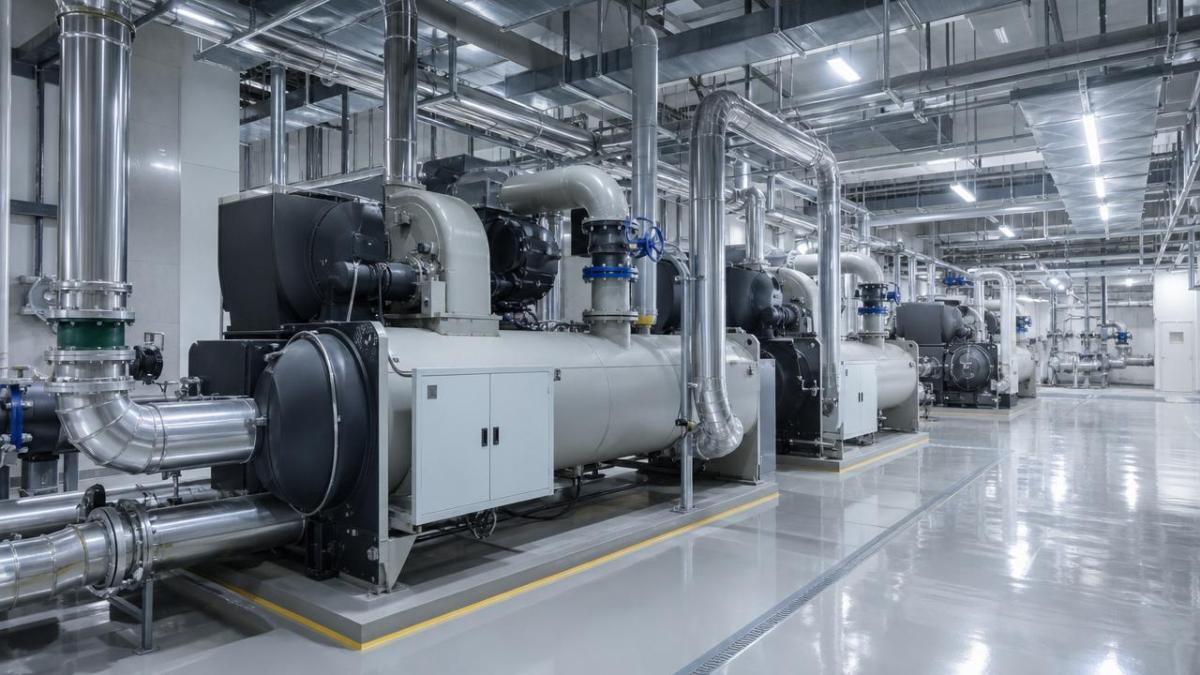
They may cover chillers, air handling units, cleanroom systems, ductwork, controls, filtration, heat recovery, testing, commissioning, or full turnkey packages.
In high-performance facilities, these alerts often indicate deeper investment themes. A chiller tender may signal capacity expansion, decarbonization, or process stability upgrades.
Industrial hvac tender alerts also help map regional demand. Semiconductor clusters, pharmaceutical parks, laboratories, and data centers all generate distinct HVAC tender patterns.
A useful alert is not only timely. It must contain enough technical, contractual, and compliance detail to justify closer evaluation.
The most valuable industrial hvac tender alerts connect scope, schedule, performance criteria, eligibility, standards, and award logic in one reviewable record.
Core Information to Track in 2026
The 2026 tender environment will favor alerts that identify both project opportunity and engineering complexity early.
Industrial hvac tender alerts should be filtered beyond location and value. Technical signals often determine whether an opportunity is feasible or strategically relevant.
In 2026, tender notices with vague technical scope should be treated carefully. Missing loads, room classifications, or control tolerances may hide major design risk.
Industrial hvac tender alerts with detailed annexes, drawings, performance schedules, and acceptance criteria usually deserve earlier prioritization.
Industry Background and Current HVAC Investment Drivers
Industrial HVAC demand is shifting from comfort cooling toward process assurance, contamination control, energy governance, and digital supervision.
Industrial hvac tender alerts reflect this transition through more specialized requirements, tighter documentation, and stronger attention to operating performance.
- Cleanroom expansion is increasing demand for FFU systems, high-efficiency filtration, pressure cascades, and validated airflow patterns.
- Precision manufacturing requires stable temperature, humidity, vibration coordination, and continuous monitoring.
- Pharmaceutical and biotech facilities emphasize GMP alignment, containment, redundancy, and validated commissioning records.
- Data-intensive operations seek resilient cooling, liquid cooling interfaces, and predictive maintenance integration.
- ESG programs drive heat recovery, electrification, refrigerant transition, and lifecycle energy modeling.
These forces make industrial hvac tender alerts useful for reading investment direction before public project milestones become visible.
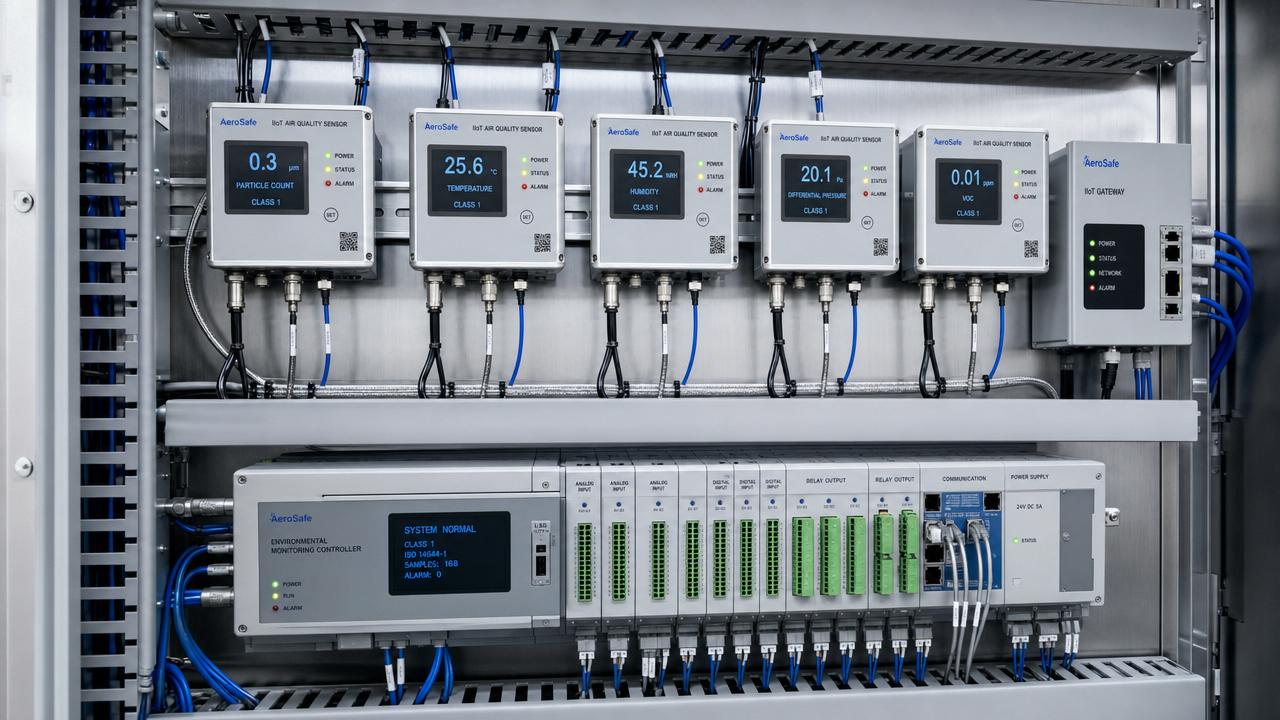
A cluster of alerts for chillers, UPW utilities, and cleanroom envelopes may indicate an advanced fabrication project entering procurement.
A sequence of retro-commissioning, BMS, and heat recovery tenders may indicate decarbonization upgrades across existing industrial assets.
Technical Criteria Behind High-Value Tender Alerts
Not every HVAC tender has the same strategic value. The strongest industrial hvac tender alerts reveal demanding technical boundaries.
Performance and tolerance requirements
Temperature stability, humidity bands, particulate limits, pressure differentials, and recovery time targets define the real engineering challenge.
Alerts mentioning plus or minus 0.01°C control, ISO Class 1 areas, or critical biosafety zones require deeper review.
System integration requirements
Industrial HVAC rarely works alone. It connects with process tools, UPW systems, exhaust treatment, fire safety, BMS, and digital twins.
Industrial hvac tender alerts that reference interface matrices, communication protocols, or central monitoring often indicate complex integration responsibility.
Testing and commissioning depth
Commissioning language can separate routine equipment supply from mission-critical delivery. Look for FAT, SAT, TAB, IQ, OQ, and PQ requirements.
Where acceptance depends on documented performance under real operating loads, pricing and schedule assumptions need stronger technical validation.
Application Value Across Industrial and Institutional Projects
Industrial hvac tender alerts can support planning, benchmarking, risk control, supplier intelligence, and market positioning.
They allow early comparison of project specifications across regions, sectors, and regulatory environments.
For organizations tracking capital programs, industrial hvac tender alerts help identify which technologies are moving from design intent to funded procurement.
The business value increases when alerts are connected with technical interpretation, not stored as isolated notifications.
A simple keyword match may find a tender. A structured review explains whether it deserves engineering resources.
Typical Tender Categories to Monitor
In 2026, industrial hvac tender alerts should be grouped by project type and technical intensity.
- Cleanroom HVAC packages: filtration, airflow, pressure control, and contamination monitoring for semiconductor or life science facilities.
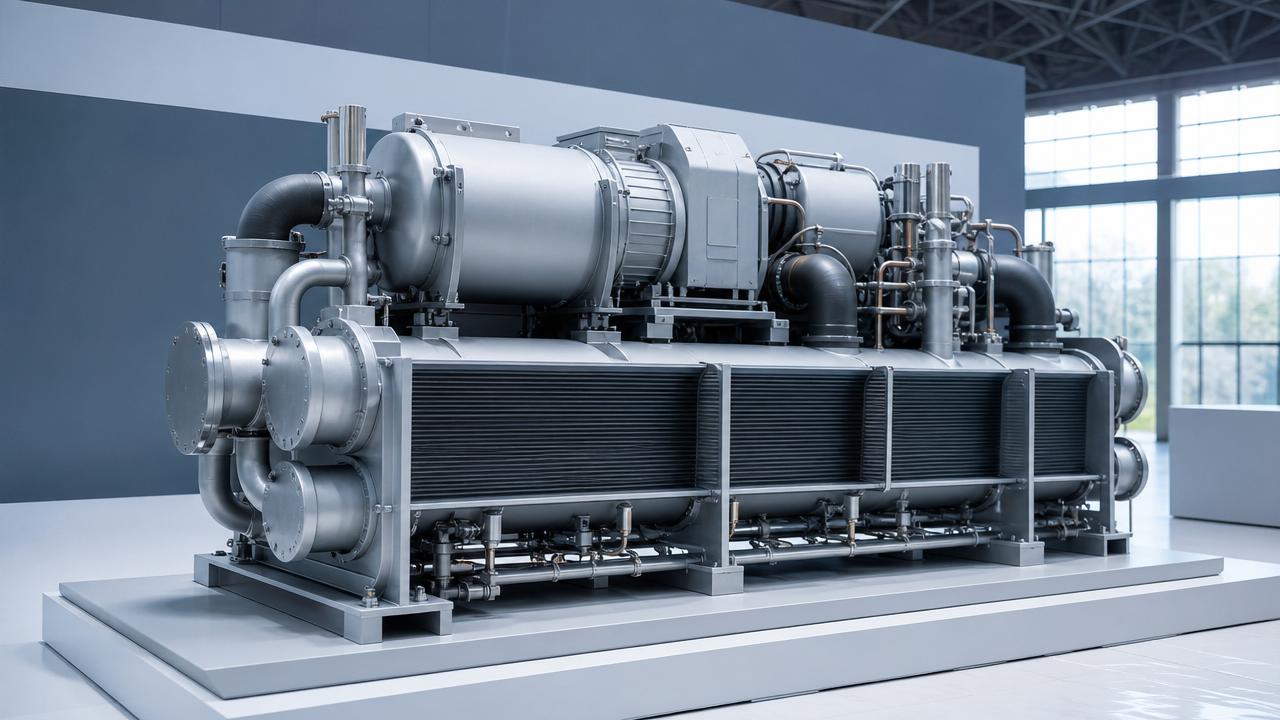
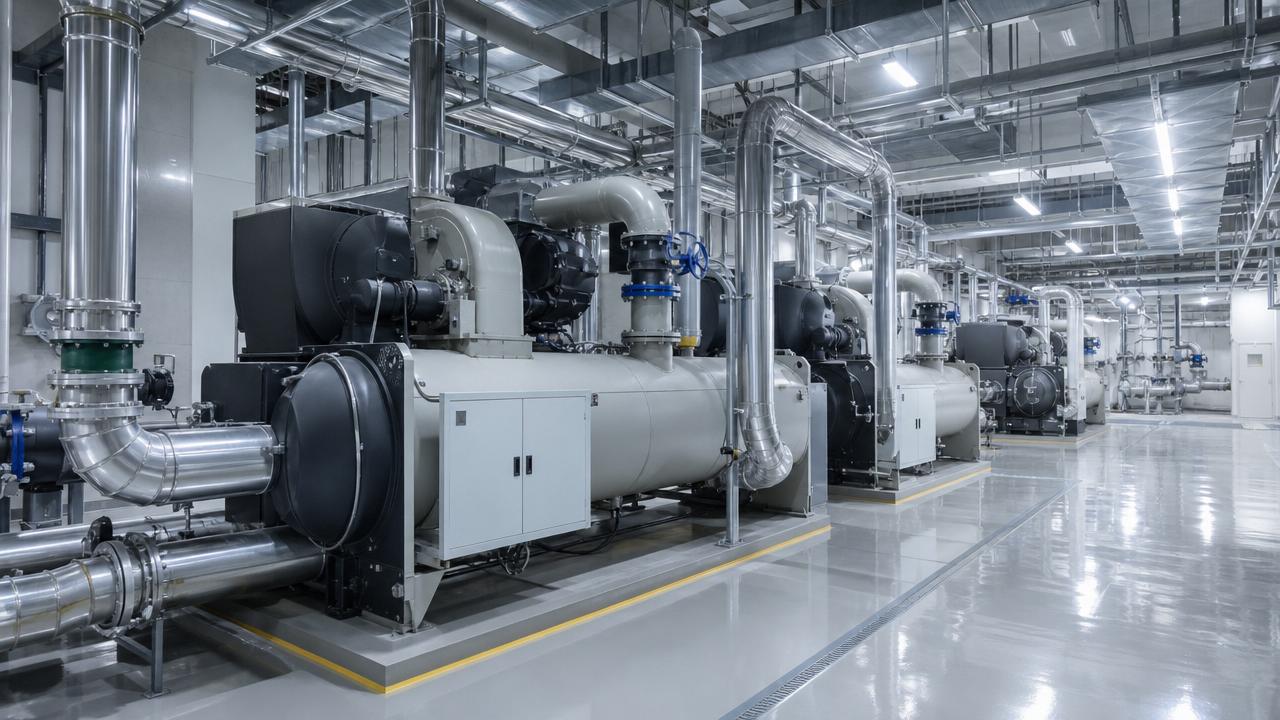
- Central utility plant upgrades: chillers, cooling towers, pumps, heat exchangers, and thermal storage systems.
- Precision environmental control: tight thermal and humidity systems for quantum, metrology, optics, or advanced electronics spaces.
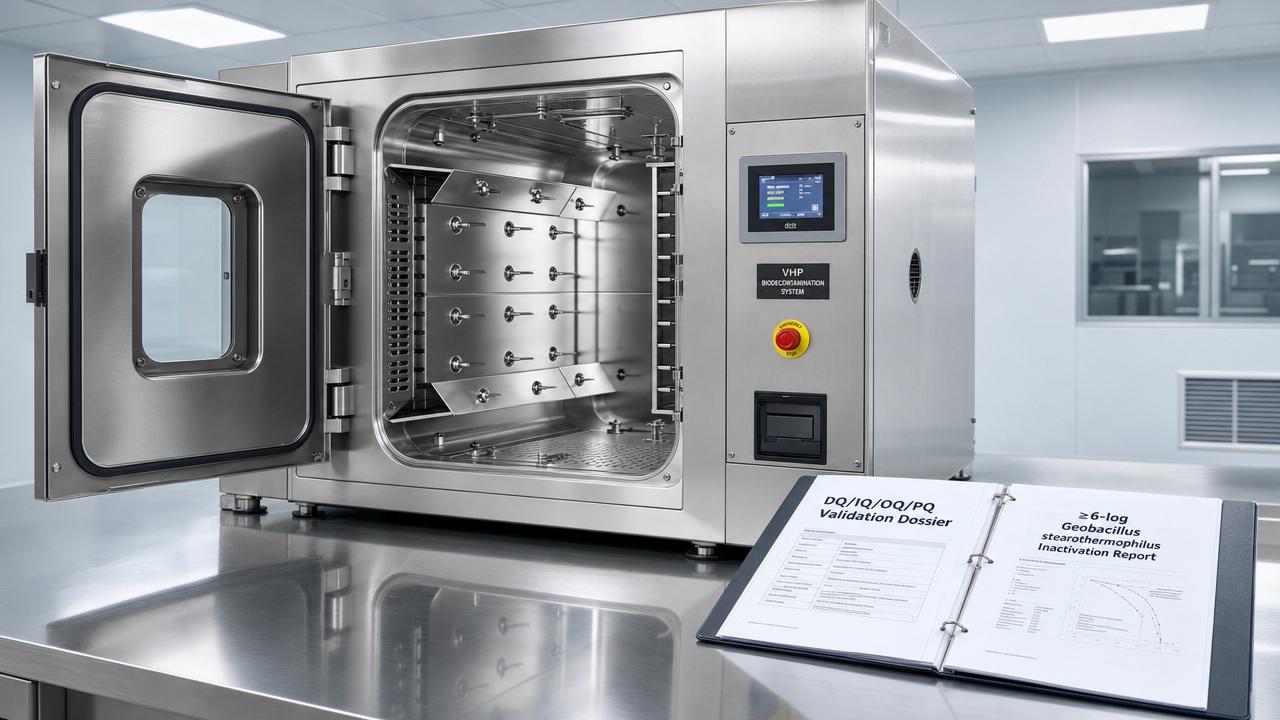
- Biosafety containment HVAC: negative pressure suites, HEPA exhaust, redundancy, alarms, and validated airflow control.
- Smart monitoring and controls: BMS upgrades, sensor networks, digital twin integration, and predictive analytics.
- Energy retrofit programs: heat recovery, variable airflow optimization, low-GWP refrigerants, and electrified heating systems.
Each category has different bid evidence. Equipment experience alone may not satisfy cleanroom, GMP, or biosafety documentation requirements.
Industrial hvac tender alerts should therefore be classified by required competence, not only contract value.
How to Interpret Tender Data Before Commitment
A disciplined review process improves the usefulness of industrial hvac tender alerts and reduces time spent on unsuitable bids.
- Confirm the project phase. Early design, main works, retrofit, and emergency replacement tenders require different response strategies.
- Read the technical schedules before reviewing price forms. Performance obligations often hide in annexes.
- Check standards and validation scope. Requirements tied to ISO 14644, GMP, or biosafety can change documentation cost.
- Assess interface responsibility. Undefined connections with utilities, controls, or process equipment can create disputes.
- Review timeline realism. Complex HVAC packages need design freeze, procurement lead time, factory testing, and site access.
- Track amendments. Addenda can change scope, eligibility, deadline, and risk allocation.
Industrial hvac tender alerts are most reliable when paired with document change tracking. Late clarifications often reveal the true complexity.
A tender with attractive value but incomplete load data may deserve caution until assumptions are clarified.
Risk Indicators in 2026 HVAC Opportunities
Several warning signs should be reviewed before allocating technical effort to industrial hvac tender alerts.
- Unclear room classifications, process heat loads, or operating profiles.
- Very short bid windows for complex cleanroom or laboratory packages.
- Conflicting references between drawings, specifications, and bills of quantities.
- Undefined commissioning acceptance, especially for containment or contamination control.
- Payment terms that do not match long equipment lead times.
- Performance penalties without clear measurement methods or boundary conditions.
These signals do not automatically disqualify a tender. They show where clarification and risk pricing are necessary.
Industrial hvac tender alerts with transparent data, realistic milestones, and measurable acceptance criteria create stronger bidding conditions.
Building a Practical Tender Alert Workflow
A practical workflow turns fragmented alerts into usable intelligence. The goal is fast screening without losing technical depth.
Start with keyword groups. Include industrial hvac tender alerts, HVAC bid notices, cleanroom HVAC tenders, chiller procurement, BMS tenders, and commissioning contracts.
Then apply filters for geography, sector, contract value, submission date, eligibility, standards, and system type.
Create a scoring matrix with technical fit, document quality, schedule feasibility, strategic relevance, and commercial attractiveness.
For high-scoring industrial hvac tender alerts, assign a deeper review covering design assumptions, supply chain exposure, and commissioning obligations.
Low-scoring alerts should still be archived. Historical tender data helps identify repeat buyers, recurring specifications, and future framework opportunities.
Action Points for 2026 Tracking
The strongest approach is to treat industrial hvac tender alerts as an intelligence layer, not a passive inbox.
- Build a weekly review of new, amended, and awarded HVAC tenders.
- Tag each alert by facility type, scope, standard, risk, and decision deadline.
- Compare specifications against recognized benchmarks such as ISO 14644, ASHRAE, SEMI, and GMP guidance.
- Track awards to understand pricing behavior, preferred technologies, and regional procurement cycles.
- Use tender history to prepare standard responses for cleanroom, precision cooling, and energy retrofit packages.
In 2026, the most valuable industrial hvac tender alerts will be those connected to disciplined interpretation and timely action.
By monitoring technical signals, compliance requirements, and project timing, HVAC tender intelligence can support better decisions before bidding begins.
A structured alert system can help identify credible opportunities, avoid weak specifications, and prioritize projects aligned with advanced industrial infrastructure.
Get weekly intelligence in your inbox.
No noise. No sponsored content. Pure intelligence.
 Jun 01, 2026Market Intelligence Reports: Signals That Support 2026 Expansion PlansMarket Intelligence Reports reveal the technical, regulatory, and ESG signals leaders need to plan resilient 2026 expansions with lower risk and stronger ROI.
 Jun 01, 2026Matter Compatible Devices: Setup Risks in Mixed Smart HomesMatter compatible devices can simplify mixed smart homes, but setup risks remain. Learn how to avoid pairing issues, network gaps, feature limits, and automation conflicts.
 Jun 01, 2026USB C Docking Stations: Power Delivery Limits to Check FirstUSB C docking stations can make or break workstation stability. Learn the key power delivery limits to check before buying for safer, smoother daily operation.
 Jun 01, 2026Healthcare Analytics in 2026: Data Quality Checks Before DeploymentHealthcare Analytics in 2026 demands trusted data before deployment. Learn key quality checks for completeness, traceability, compliance, and safer go-live decisions.
 Jun 01, 2026OEM Machined Parts: Tolerance Risks That Raise Assembly CostsOEMmachinedparts tolerance risks can drive rework, delays, and hidden assembly costs. Learn how to control specs, suppliers, and sourcing decisions.
 Jun 01, 2026China Excludes UPW Regeneration Modules from Hazardous Waste RulesChina exempts UPW regeneration modules from hazardous waste rules—key update for semiconductor suppliers, fabs & logistics firms. Learn implications & compliance steps.
 Jun 01, 2026Blue Bee Expo 2026: Maglev Chiller Export Orders Surge 210%; ±0.01°C Control Now Key EU/US Procurement CriterionBlue Bee Expo 2026: Maglev chiller export orders surge 210%; ±0.01°C control & Digital Twin validation now mandatory for EU/US tenders.
 Jun 01, 2026ECHA Updates SCIP Rules: AMC Filtration Exporters Must Disclose Regeneration ParametersAMC filtration exporters must now disclose adsorbent regeneration parameters in SCIP submissions—key for EU compliance. Act before 1 July 2026.
 Jun 01, 2026IEC Revises IEC 60335-2-102: New Mandatory Real-Time Calibration for IIoT Air Monitoring in Class 1–9 SystemsIEC 60335-2-102 revision mandates real-time IIoT air monitoring calibration for Class 1–9 cleanroom systems—act now to ensure compliance, certification & market access.
 Jun 01, 2026FDA Tightens Import Rules for BSL-3/4 Decon SystemsFDA tightens import rules for BSL-3/4 decon systems: Full-cycle biological validation now mandatory for U.S. market access—act before May 30, 2026.
 May 31, 2026Corrugated Plastic Boxes for Retail Packaging: When to Use ThemCorrugated plastic boxes for retail packaging offer durable, reusable, moisture-resistant solutions. Learn when they outperform cartons and how to choose the right design.
 May 31, 2026OEM Machined Parts: Tolerance Risks to CheckOEM machined parts can hide tolerance risks that cause leaks, vibration, contamination, or compliance issues. Learn key checks before supplier approval.
 May 31, 2026Solar Panels Wholesale Cost Guide 2026Solar panels wholesale cost guide for 2026: compare pricing, landed costs, certifications, and supplier risks to buy smarter and protect long-term ROI.
 May 31, 2026Medical Grade Silicone: Key Safety ChecksMedical grade silicone safety checks for QC teams: verify compliance, traceability, compatibility, and performance to reduce contamination risk and downtime.
 May 31, 2026How to Size Fan Filter Units for ISO CleanroomsFan Filter Units sizing guide for ISO cleanrooms: learn how to balance airflow, coverage, pressure, heat load, and energy cost for reliable contamination control.
 May 31, 2026Blue Bee Expo Nanjing 2026 Closes: Maglev Chillers See 210% Overseas Order GrowthMaglev chillers drive 210% overseas order growth at Blue Bee Expo Nanjing 2026 — discover how ±0.01°C precision & ASHRAE 188-2024 Annex J compliance are reshaping global HVAC procurement.
 May 31, 2026FDA Updates BSL-3/4 Lab Equipment Import Rules for Decon SystemsFDA updates BSL-3/4 lab equipment import rules for decon systems—new VHP/GHP validation requirements take effect immediately. Act now to avoid shipment delays.
 May 31, 2026IEC Launches Revision of ISO Class 1–9 Cleanroom Standards with IIoT Air Monitoring Calibration RequirementIEC mandates IIoT air monitoring calibration for ISO Class 1–9 cleanrooms—key for pharma, semiconductor & biotech exporters. Act now to align with 2027 enforcement.
 May 31, 2026China Excludes UPW Resin Modules from Hazardous Waste RulesUPW resin modules now exempt from China’s hazardous waste rules—boosting export efficiency for semiconductor, pharma & electronics firms. Key update for global supply chains.
 May 31, 2026EU Adds DBDPE to SVHC Candidate List: AMC Filtration Exporters Must Update SDS and SCIPEU adds DBDPE to SVHC list—AMC filtration exporters must update SDS & submit SCIP notifications by 5 May 2026. Act now to avoid delays, audits, and lost tenders.
 May 30, 2026Industrial HVAC Tender Alerts: What to Track in 2026industrial hvac tender alerts in 2026 reveal project signals, compliance risks, and market opportunities—learn what to track to bid smarter and plan ahead.
 May 30, 2026Wireless EV Charging: Efficiency Losses ExplainedWireless EV charging efficiency losses explained: compare plug-in systems, key loss points, cost impacts, and procurement tips for smarter fleet decisions.
 May 30, 2026Solar Panels Wholesale USA: Price vs Warranty ChecksSolar panels wholesale USA buyers: learn how to compare price, warranty, supplier stability, landed cost, and documents to protect margins and buy with confidence.
 May 30, 20265 Axis Milling Cost Drivers to Check Before Quoting5 axis milling costs depend on material, tolerances, finish, inspection, and volume. Learn what to check before quoting to reduce risk and secure better value.
 May 30, 2026Surgical Instruments: Cleaning Risks Before SterilizationSurgical instruments cleaning risks before sterilization: uncover hidden residues, biofilms, water quality issues, and control steps that protect safety and audit readiness.
 May 30, 20262026 Blue Bee Expo Closes in Nanjing: Maglev Chillers’ Overseas Orders Surge 210%Maglev Chillers surge 210% in overseas orders at 2026 Blue Bee Expo Nanjing — discover how precision thermal stability is reshaping global HVAC procurement.
 May 30, 2026IEC Launches Global Revision of Cleanroom Standards with IIoT Air Monitoring Calibration RequirementIEC’s new cleanroom standards mandate IIoT air monitoring calibration—NIST-traceable, blockchain-verified, ≤72h intervals. Critical for semiconductor, biopharma & medtech.