EU Proposes Mandatory Digital Twin Lab Certification for Smart Sensor Exports
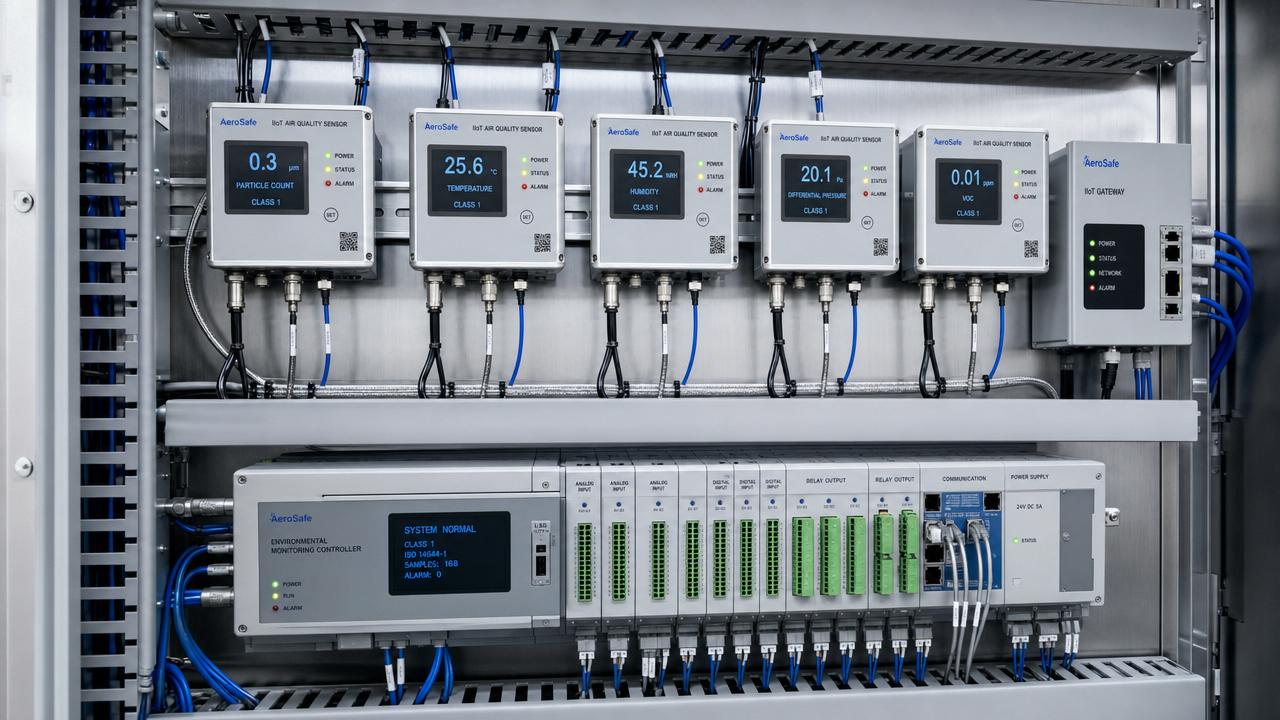
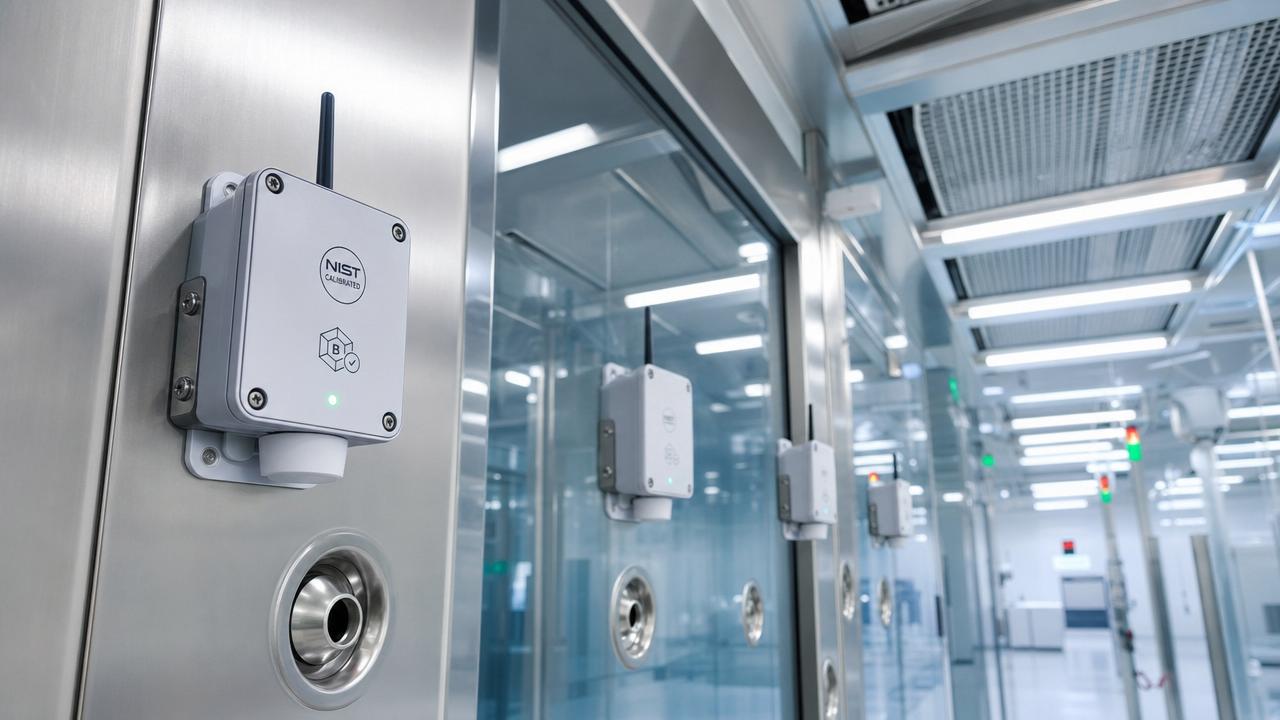
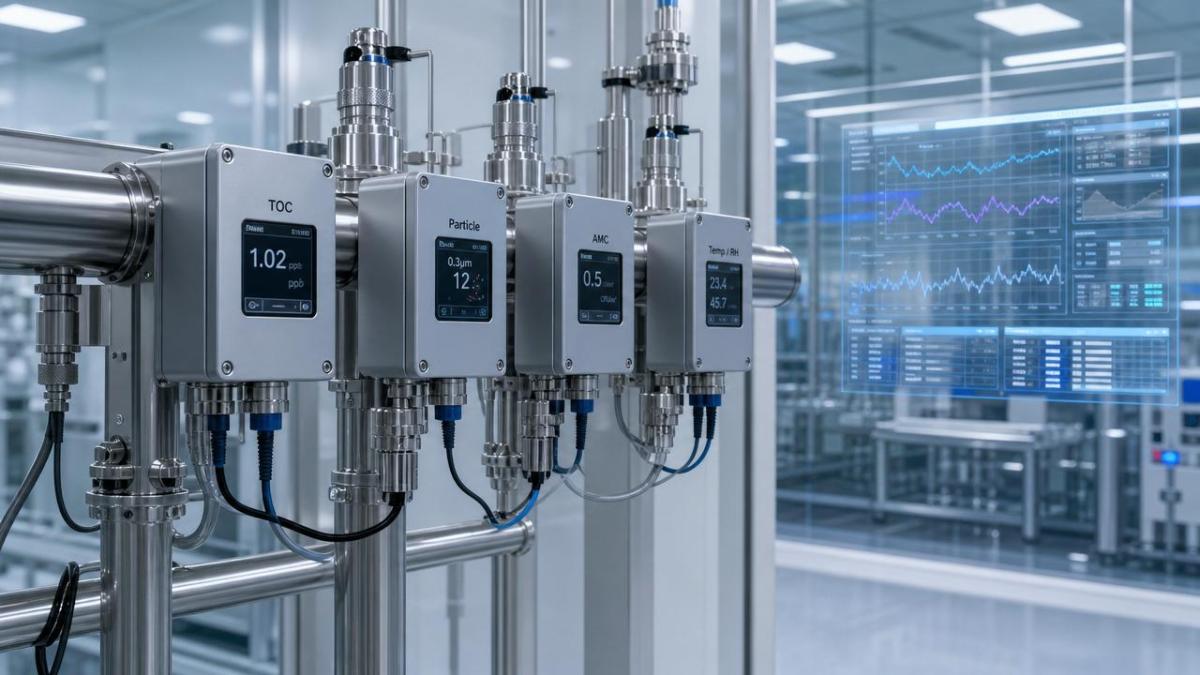
On May 27, the European Committee for Standardization (CEN) issued an informal notification indicating plans to launch a public consultation on the draft technical specification Digital Twin Lab for Contamination-Critical Facilities in Q3 2026. This proposed framework introduces mandatory data trustworthiness auditing for digital twin systems deployed in EU cleanroom and contamination-critical laboratories — with particular emphasis on multi-parameter, millisecond-synchronized validation of smart sensor outputs (including TOC, particulate count, airborne molecular contaminants [AMC], temperature, and humidity). Exporters of IIoT air monitoring systems and Digital Twin Lab solutions from China to the EU will be directly affected.
Event Overview
According to CEN’s informal notification dated May 27, the draft technical specification Digital Twin Lab for Contamination-Critical Facilities is scheduled to enter public consultation in Q3 2026. The draft specifies that laboratory digital twin systems must undergo Smart Sensor Data Trustworthiness Auditing, requiring millisecond-level synchronized verification across total organic carbon (TOC), particle count, airborne molecular contaminants (AMC), temperature, and humidity. The scope explicitly covers all Chinese suppliers exporting IIoT-based air monitoring and Digital Twin Lab solutions to the EU market.
Industries Affected
Direct Exporters of IIoT Air Monitoring Systems
These companies supply integrated hardware-software solutions for real-time environmental monitoring in cleanrooms. They will face new pre-market conformity requirements: their sensor data streams must demonstrate traceable, time-synchronized integrity across multiple parameters — not just accuracy per parameter, but temporal coherence across the full measurement set. Compliance may require firmware updates, timestamping architecture revisions, or third-party audit readiness.
Manufacturers of Smart Sensors for Cleanroom Applications
Sensor OEMs supplying components to IIoT system integrators will need to ensure their devices support synchronized multi-parameter output with verifiable timestamps and metrological traceability. This affects calibration protocols, embedded firmware design, and documentation practices — particularly around synchronization mechanisms (e.g., PTPv2 or GPS-disciplined clocks) and uncertainty reporting at millisecond resolution.
System Integrators Delivering Digital Twin Lab Solutions
Firms building end-to-end digital twin platforms for pharmaceutical, semiconductor, or biotech labs must now validate the entire data ingestion pipeline — from sensor firmware through edge gateway timestamping, network jitter compensation, and cloud-side synchronization logic. The requirement extends beyond individual sensor specs to system-level temporal integrity assurance.
What Enterprises and Practitioners Should Monitor and Do Now
Track official CEN/CENELEC timelines and draft version history
The current document is an informal notification; no formal draft number, reference ID, or regulatory status has been assigned. Stakeholders should monitor CEN’s official website and national mirror bodies (e.g., DIN, AFNOR, BSI) for the official publication of the draft TS, its reference number (e.g., prCEN/TS XXXXX), and the exact consultation window dates.
Assess current product architectures against millisecond synchronization requirements
Review existing sensor node designs, edge gateways, and time-stamping methodologies — especially whether hardware-assisted timestamping (e.g., IEEE 1588 PTP hardware clocks) is implemented, and whether synchronization uncertainty budgets meet sub-10 ms thresholds across all five required parameters under operational conditions.
Distinguish between policy signal and enforceable obligation
This remains a draft technical specification under development, not a harmonized standard nor an EU regulation. Its adoption path — including potential elevation to EN standard status or linkage to CE marking via future EU legislation — is unconfirmed. Current impact is preparatory, not compliance-mandatory.
Prepare for audit-readiness documentation and test protocol alignment
Begin compiling evidence packages covering sensor calibration certificates, synchronization architecture diagrams, jitter test reports, and uncertainty budgets per parameter. Align internal QA processes with anticipated audit criteria — particularly those related to cross-parameter time alignment verification methods and chain-of-trust documentation.
Editorial Perspective / Industry Observation
Observably, this initiative signals a shift in EU regulatory thinking: from evaluating individual device performance toward certifying *system-level data integrity* in digitally enabled critical infrastructure. Analysis shows it reflects growing reliance on real-time sensor fusion in GMP and ISO 14644-3 environments — where asynchronous or unsynchronized measurements could misrepresent transient contamination events. From an industry perspective, this is currently best understood as a strong policy signal rather than an imminent compliance deadline. Its significance lies less in immediate enforcement and more in its indication of evolving expectations for data provenance, temporal fidelity, and auditability in industrial IoT deployments serving regulated sectors.
Concluding, this proposal does not yet constitute a binding requirement, but it outlines a foreseeable direction for conformity assessment in EU-contaminated-critical facilities. It is more appropriately understood as an early-stage technical roadmap — one that highlights increasing scrutiny of how digital twin systems source, synchronize, and sustain trust in multi-parameter sensor data. For stakeholders, proactive technical alignment and documentation discipline are more valuable today than urgent certification efforts.
Source: Informal notification issued by the European Committee for Standardization (CEN), dated May 27.
Note: The draft technical specification has not yet been formally published; its content, scope, and timeline remain subject to change pending CEN’s official release and public consultation process.
Get weekly intelligence in your inbox.
No noise. No sponsored content. Pure intelligence.
 Jun 01, 2026Market Intelligence Reports: Signals That Support 2026 Expansion PlansMarket Intelligence Reports reveal the technical, regulatory, and ESG signals leaders need to plan resilient 2026 expansions with lower risk and stronger ROI.
 Jun 01, 2026Matter Compatible Devices: Setup Risks in Mixed Smart HomesMatter compatible devices can simplify mixed smart homes, but setup risks remain. Learn how to avoid pairing issues, network gaps, feature limits, and automation conflicts.
 Jun 01, 2026USB C Docking Stations: Power Delivery Limits to Check FirstUSB C docking stations can make or break workstation stability. Learn the key power delivery limits to check before buying for safer, smoother daily operation.
 Jun 01, 2026Healthcare Analytics in 2026: Data Quality Checks Before DeploymentHealthcare Analytics in 2026 demands trusted data before deployment. Learn key quality checks for completeness, traceability, compliance, and safer go-live decisions.
 Jun 01, 2026OEM Machined Parts: Tolerance Risks That Raise Assembly CostsOEMmachinedparts tolerance risks can drive rework, delays, and hidden assembly costs. Learn how to control specs, suppliers, and sourcing decisions.
 Jun 01, 2026China Excludes UPW Regeneration Modules from Hazardous Waste RulesChina exempts UPW regeneration modules from hazardous waste rules—key update for semiconductor suppliers, fabs & logistics firms. Learn implications & compliance steps.
 Jun 01, 2026Blue Bee Expo 2026: Maglev Chiller Export Orders Surge 210%; ±0.01°C Control Now Key EU/US Procurement CriterionBlue Bee Expo 2026: Maglev chiller export orders surge 210%; ±0.01°C control & Digital Twin validation now mandatory for EU/US tenders.
 Jun 01, 2026ECHA Updates SCIP Rules: AMC Filtration Exporters Must Disclose Regeneration ParametersAMC filtration exporters must now disclose adsorbent regeneration parameters in SCIP submissions—key for EU compliance. Act before 1 July 2026.
 Jun 01, 2026IEC Revises IEC 60335-2-102: New Mandatory Real-Time Calibration for IIoT Air Monitoring in Class 1–9 SystemsIEC 60335-2-102 revision mandates real-time IIoT air monitoring calibration for Class 1–9 cleanroom systems—act now to ensure compliance, certification & market access.
 Jun 01, 2026FDA Tightens Import Rules for BSL-3/4 Decon SystemsFDA tightens import rules for BSL-3/4 decon systems: Full-cycle biological validation now mandatory for U.S. market access—act before May 30, 2026.
 May 31, 2026Corrugated Plastic Boxes for Retail Packaging: When to Use ThemCorrugated plastic boxes for retail packaging offer durable, reusable, moisture-resistant solutions. Learn when they outperform cartons and how to choose the right design.
 May 31, 2026OEM Machined Parts: Tolerance Risks to CheckOEM machined parts can hide tolerance risks that cause leaks, vibration, contamination, or compliance issues. Learn key checks before supplier approval.
 May 31, 2026Solar Panels Wholesale Cost Guide 2026Solar panels wholesale cost guide for 2026: compare pricing, landed costs, certifications, and supplier risks to buy smarter and protect long-term ROI.
 May 31, 2026Medical Grade Silicone: Key Safety ChecksMedical grade silicone safety checks for QC teams: verify compliance, traceability, compatibility, and performance to reduce contamination risk and downtime.
 May 31, 2026How to Size Fan Filter Units for ISO CleanroomsFan Filter Units sizing guide for ISO cleanrooms: learn how to balance airflow, coverage, pressure, heat load, and energy cost for reliable contamination control.
 May 31, 2026Blue Bee Expo Nanjing 2026 Closes: Maglev Chillers See 210% Overseas Order GrowthMaglev chillers drive 210% overseas order growth at Blue Bee Expo Nanjing 2026 — discover how ±0.01°C precision & ASHRAE 188-2024 Annex J compliance are reshaping global HVAC procurement.
 May 31, 2026FDA Updates BSL-3/4 Lab Equipment Import Rules for Decon SystemsFDA updates BSL-3/4 lab equipment import rules for decon systems—new VHP/GHP validation requirements take effect immediately. Act now to avoid shipment delays.
 May 31, 2026IEC Launches Revision of ISO Class 1–9 Cleanroom Standards with IIoT Air Monitoring Calibration RequirementIEC mandates IIoT air monitoring calibration for ISO Class 1–9 cleanrooms—key for pharma, semiconductor & biotech exporters. Act now to align with 2027 enforcement.
 May 31, 2026China Excludes UPW Resin Modules from Hazardous Waste RulesUPW resin modules now exempt from China’s hazardous waste rules—boosting export efficiency for semiconductor, pharma & electronics firms. Key update for global supply chains.
 May 31, 2026EU Adds DBDPE to SVHC Candidate List: AMC Filtration Exporters Must Update SDS and SCIPEU adds DBDPE to SVHC list—AMC filtration exporters must update SDS & submit SCIP notifications by 5 May 2026. Act now to avoid delays, audits, and lost tenders.
 May 30, 2026Industrial HVAC Tender Alerts: What to Track in 2026industrial hvac tender alerts in 2026 reveal project signals, compliance risks, and market opportunities—learn what to track to bid smarter and plan ahead.
 May 30, 2026Wireless EV Charging: Efficiency Losses ExplainedWireless EV charging efficiency losses explained: compare plug-in systems, key loss points, cost impacts, and procurement tips for smarter fleet decisions.
 May 30, 2026Solar Panels Wholesale USA: Price vs Warranty ChecksSolar panels wholesale USA buyers: learn how to compare price, warranty, supplier stability, landed cost, and documents to protect margins and buy with confidence.
 May 30, 20265 Axis Milling Cost Drivers to Check Before Quoting5 axis milling costs depend on material, tolerances, finish, inspection, and volume. Learn what to check before quoting to reduce risk and secure better value.
 May 30, 2026Surgical Instruments: Cleaning Risks Before SterilizationSurgical instruments cleaning risks before sterilization: uncover hidden residues, biofilms, water quality issues, and control steps that protect safety and audit readiness.
 May 30, 20262026 Blue Bee Expo Closes in Nanjing: Maglev Chillers’ Overseas Orders Surge 210%Maglev Chillers surge 210% in overseas orders at 2026 Blue Bee Expo Nanjing — discover how precision thermal stability is reshaping global HVAC procurement.
 May 30, 2026IEC Launches Global Revision of Cleanroom Standards with IIoT Air Monitoring Calibration RequirementIEC’s new cleanroom standards mandate IIoT air monitoring calibration—NIST-traceable, blockchain-verified, ≤72h intervals. Critical for semiconductor, biopharma & medtech.