Smartmanufacturing in 2026: Digital Twin Use Cases That Cut Process Risk
Smartmanufacturing in 2026: Digital Twin Use Cases That Cut Process Risk
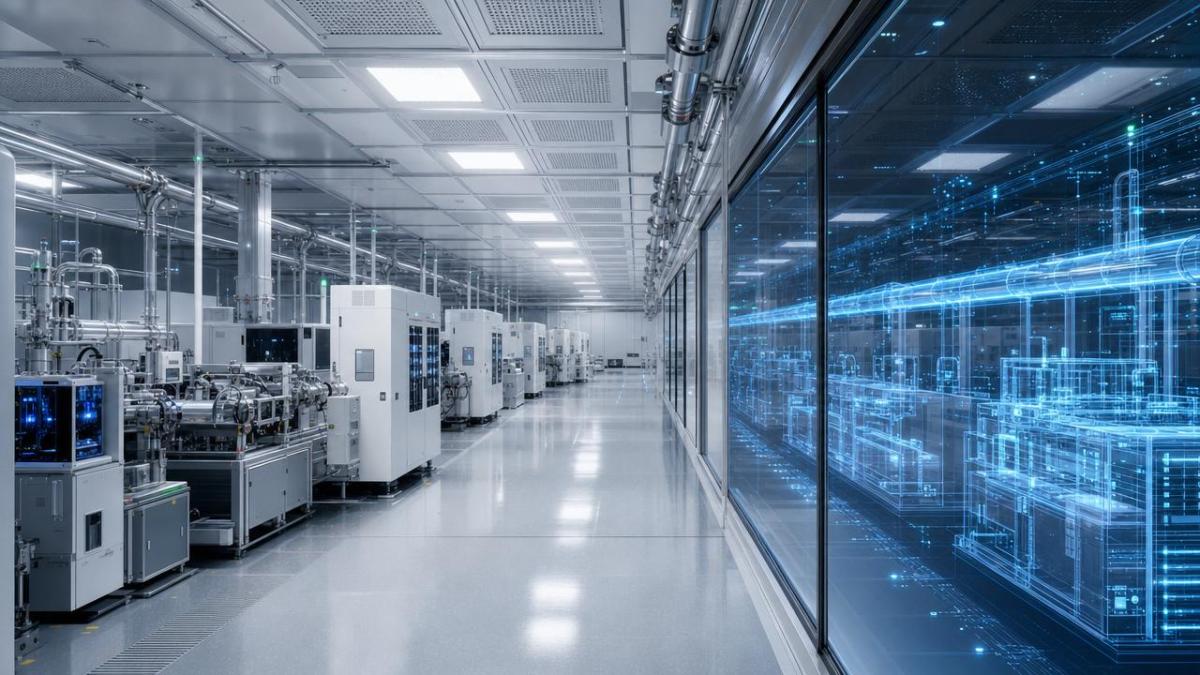
In 2026, smartmanufacturing is no longer just faster automation. It is a disciplined method for reducing process risk before disruption reaches production.
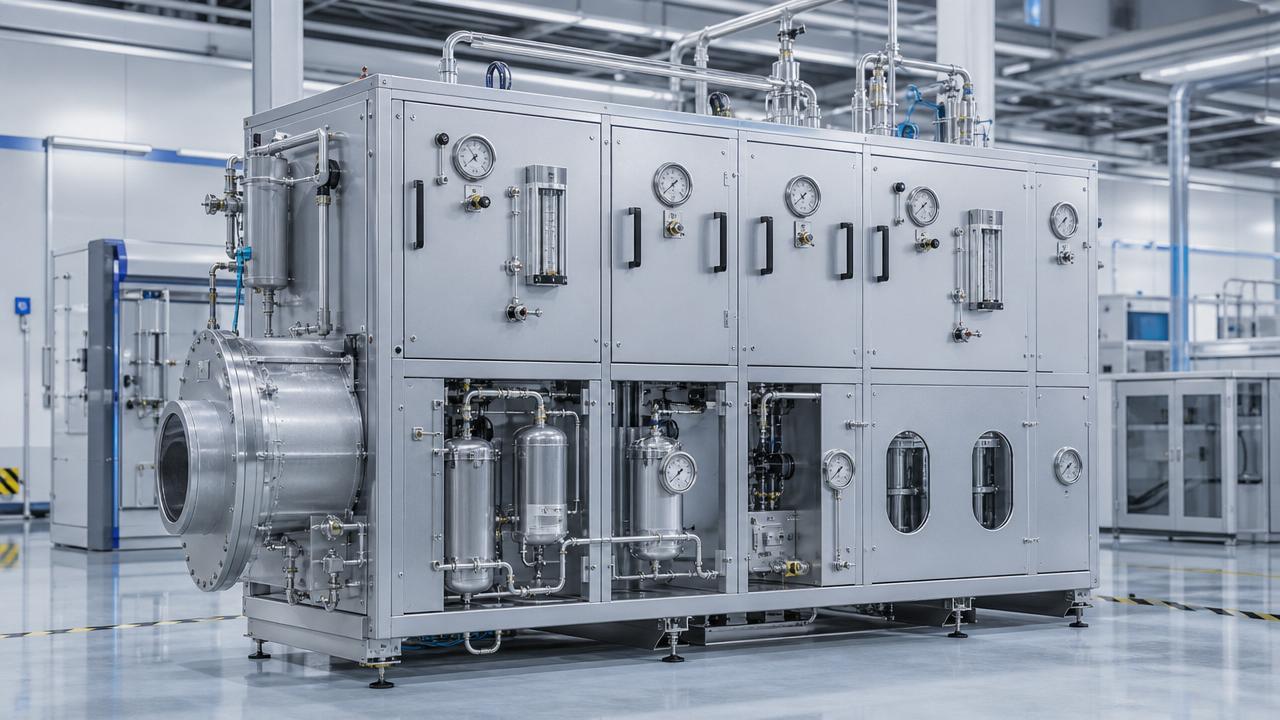
Digital twins now support cleanrooms, precision HVAC, ultra-pure water, biosafety containment, and digitally monitored industrial environments.
They help simulate decisions, validate designs, detect deviations, and protect capital-intensive operations from hidden engineering uncertainty.
Foundational View of Smartmanufacturing and Digital Twins
Smartmanufacturing connects production assets, facility systems, process data, and decision logic into one responsive operating model.
A digital twin is a dynamic virtual representation of physical equipment, environments, utilities, or entire production ecosystems.
In high-control industries, smartmanufacturing depends on digital twins because invisible variables often determine yield, safety, and compliance.
These variables include airborne particles, humidity drift, pressure cascade instability, microbial risk, thermal gradients, and water purity changes.
A mature twin does more than display sensor values. It compares expected behavior against actual system response.
This makes smartmanufacturing valuable for facilities where small deviations can trigger scrap, retesting, shutdowns, or regulatory findings.
Core Components of a Practical Twin
- Validated asset models for chillers, FFUs, pumps, valves, filters, and containment equipment.
- Live data from sensors, BMS, SCADA, LIMS, MES, and maintenance systems.
- Simulation rules covering airflow, heat transfer, contamination movement, and fluid quality.
- Risk logic linked to ISO 14644, ASHRAE, SEMI, GMP, and biosafety expectations.
- Dashboards that translate complex signals into operational priorities.
The strongest smartmanufacturing programs treat the twin as an engineering control layer, not a decorative visualization tool.
Industry Signals Driving Adoption in 2026
Industrial systems are becoming more sensitive, regulated, and energy constrained. That raises the cost of late discovery.
Smartmanufacturing answers this pressure by moving risk analysis earlier, closer to design, commissioning, and daily control.
These signals explain why smartmanufacturing has shifted from pilot projects to infrastructure planning.
The business case is strongest where environmental stability directly supports product integrity, throughput, and audit readiness.
Application Value Across High-Control Facilities
The most practical value of smartmanufacturing is risk visibility. Digital twins make weak signals easier to interpret.
Instead of reacting to alarms, operating teams can evaluate why a system is moving toward an unstable condition.
This is especially relevant for facilities built around invisible frontiers: contamination, thermal precision, molecular purity, and biological containment.
Process Risk Reduction
A smartmanufacturing twin identifies process risk before it becomes visible through yield loss or failed environmental monitoring.
For example, pressure cascade drift may look minor until door openings, filter loading, and exhaust changes interact.
A twin can test these interactions and highlight unsafe operating envelopes.
Commissioning Confidence
Virtual commissioning helps verify control sequences before site testing begins.
In smartmanufacturing projects, this reduces rework caused by mismatched design assumptions, sensor placement gaps, or slow control loops.
Capital Performance
A digital twin also supports lifecycle economics. It compares energy, maintenance, redundancy, and risk trade-offs.
This makes smartmanufacturing relevant beyond production speed. It supports resilient investment decisions across complex industrial assets.
Digital Twin Use Cases That Cut Process Risk
The following use cases reflect where smartmanufacturing delivers measurable engineering value across multiple industries.
Cleanroom Airflow and Contamination Control
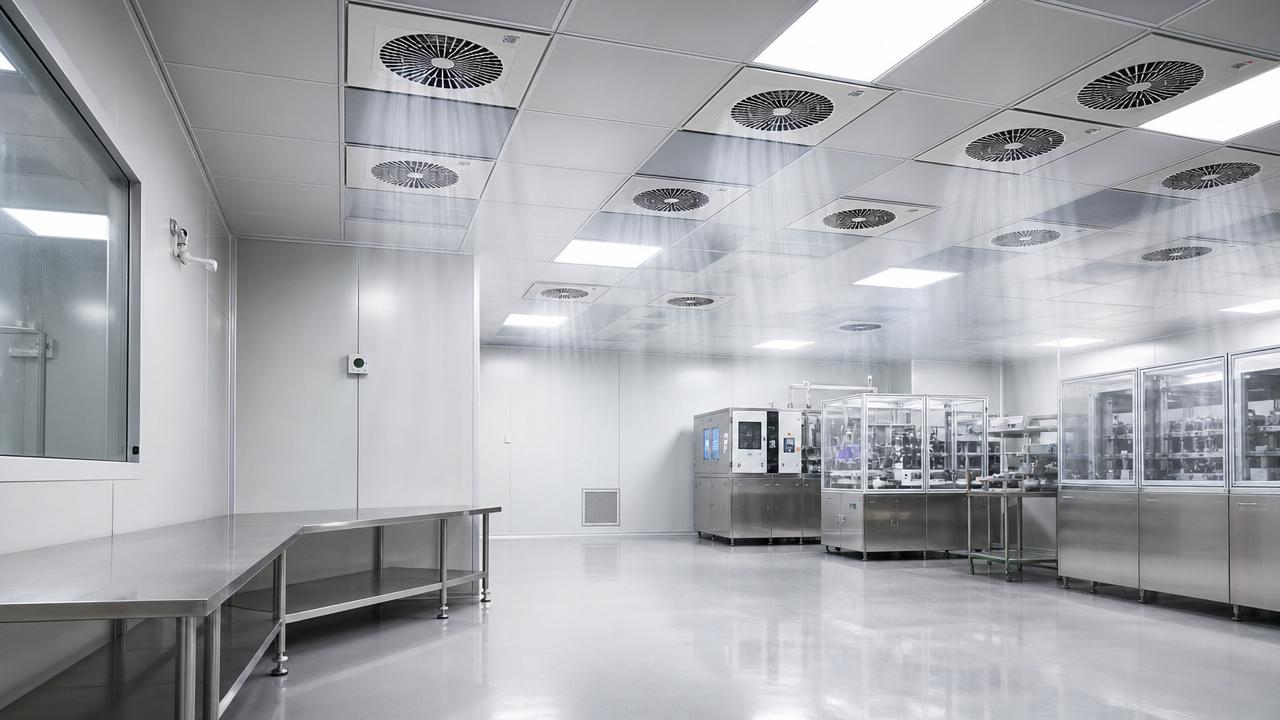
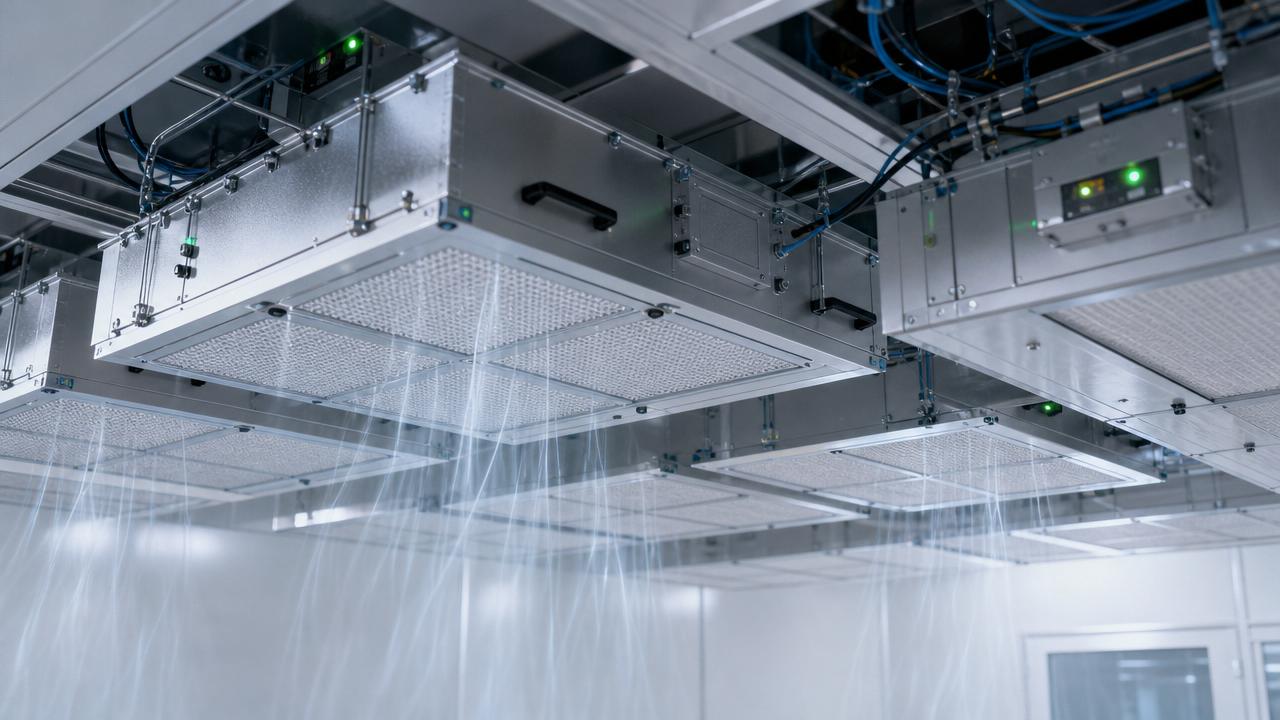
In cleanrooms, smartmanufacturing twins model airflow direction, velocity, recovery time, and contamination movement.
They help evaluate FFU loading, return air paths, equipment heat release, and personnel movement effects.
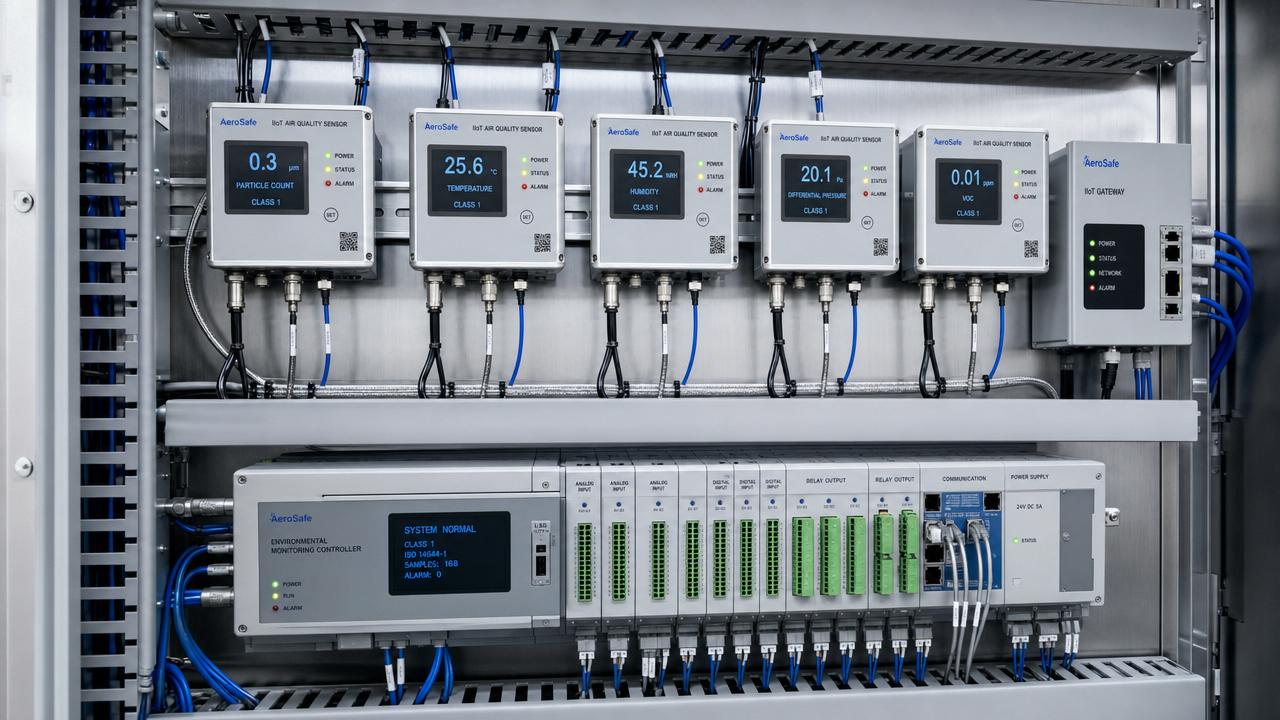
When connected to monitoring systems, the twin supports faster root cause analysis after particle excursions.
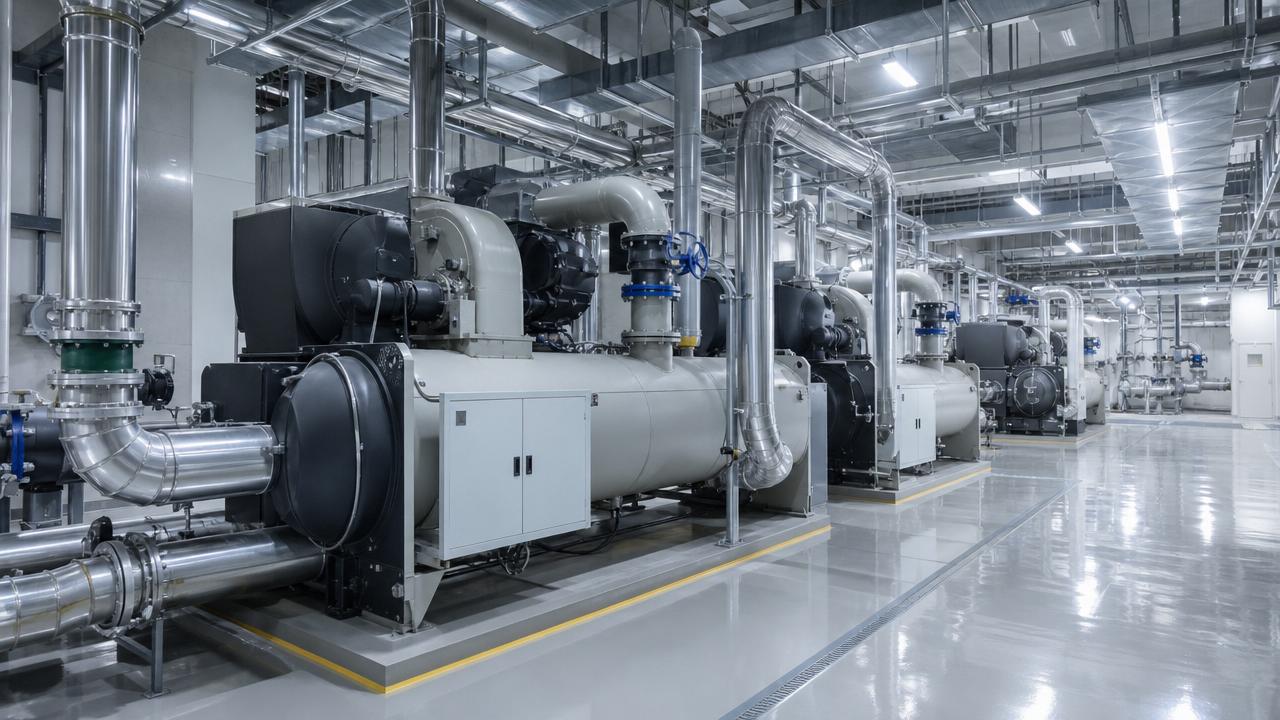
Precision HVAC and Thermal Management
Thermal risk is central to smartmanufacturing in semiconductor, quantum, battery, and pharmaceutical environments.
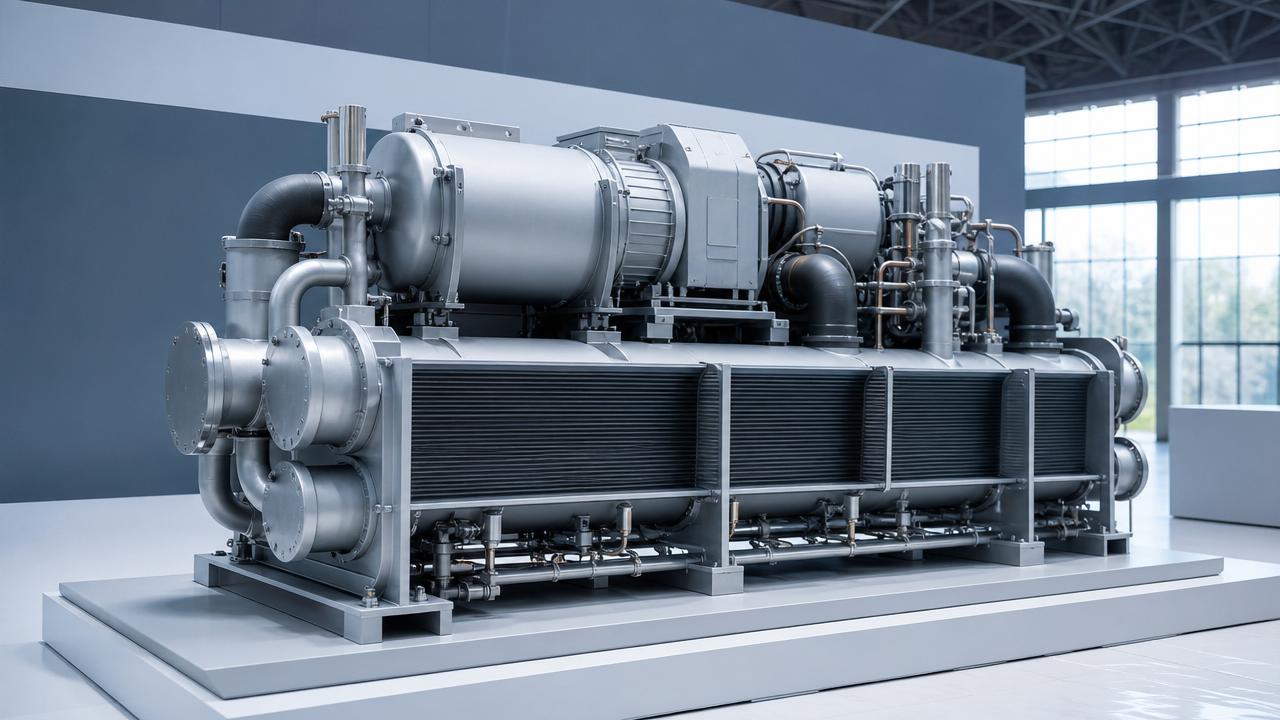
A twin can simulate setpoint changes, equipment load swings, valve behavior, and humidity control response.
This supports stable operation when temperature tolerance approaches extremely narrow bands.
Ultra-Pure Water and Process Fluid Treatment
UPW systems are vulnerable to subtle changes in flow, resistivity, TOC, silica, particles, and microbial indicators.
A smartmanufacturing twin can model purification stages and predict where quality may degrade under demand changes.
It also helps plan maintenance without unnecessary shutdowns or excessive safety margins.
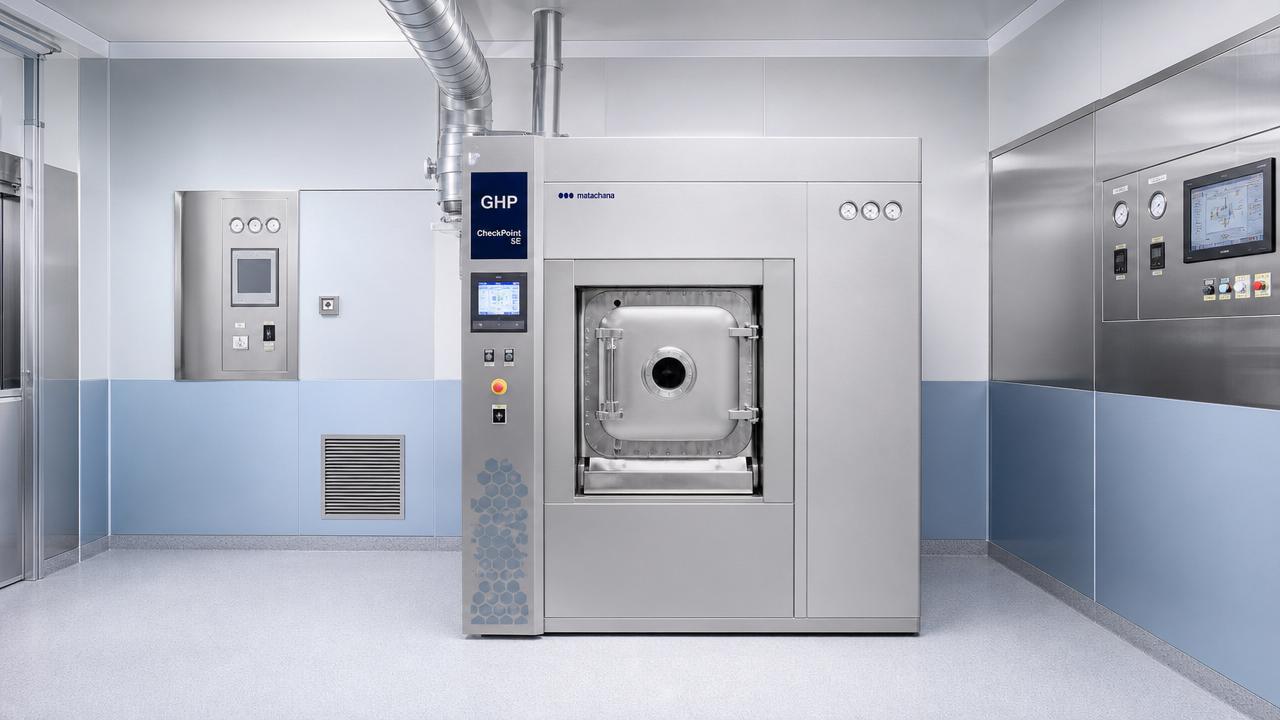
Biosafety and High-Risk Laboratory Engineering
Containment performance depends on pressure relationships, exhaust reliability, door behavior, and emergency response sequences.
Digital twins allow scenario testing for fan failure, power transfer, filter blockage, and access events.
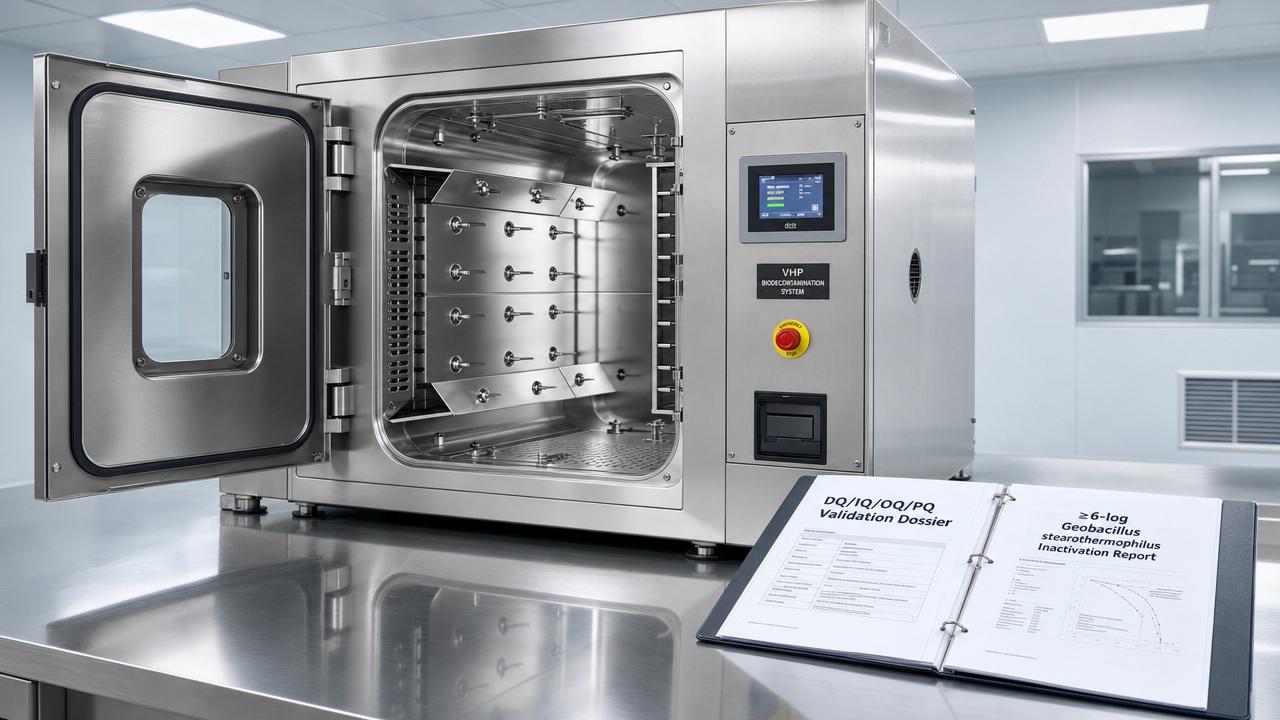
In this context, smartmanufacturing supports safety, compliance, and continuity with evidence-based controls.
Implementation Practices for Reliable Results
Digital twins only reduce risk when they are built around accurate engineering boundaries and trustworthy data.
A practical smartmanufacturing roadmap should start with critical process risks, not with every available sensor.
- Define the failure modes that matter most to quality, safety, uptime, and compliance.
- Map each failure mode to measurable variables and validated equipment behavior.
- Integrate data from facility, process, laboratory, and maintenance systems.
- Validate model assumptions against commissioning tests and operating history.
- Create alarm logic that distinguishes noise from meaningful process risk.
- Review twin performance after deviations, maintenance actions, and process changes.
Data Quality Matters
Smartmanufacturing depends on sensor reliability, calibration discipline, timestamp alignment, and consistent naming conventions.
Poor data can make a sophisticated twin misleading. Clean data governance is therefore an engineering requirement.
Model Scope Should Stay Focused
The first twin should not attempt to model the entire facility.
Better results often come from one high-value boundary, such as a critical cleanroom suite or UPW loop.
As confidence improves, smartmanufacturing capability can expand across connected utilities and production areas.
Standards, Governance, and Benchmarking Alignment
Risk reduction improves when digital twins align with recognized standards and engineering benchmarks.
ISO 14644 supports cleanroom classification and monitoring logic. ASHRAE guidance informs HVAC performance and thermal strategy.
SEMI expectations help frame semiconductor utility stability, equipment integration, and contamination control priorities.
For smartmanufacturing governance, each model should have ownership, revision history, validation evidence, and change control.
This prevents the twin from drifting away from actual facility behavior after renovations, recipe changes, or equipment upgrades.
Action Path for 2026 Deployment
The next step is to select a process risk that is expensive, measurable, and strongly linked to environmental control.
For many facilities, that risk sits in airflow stability, thermal precision, UPW quality, or containment reliability.
A focused pilot can establish data quality, model accuracy, operating value, and governance requirements.
From there, smartmanufacturing can scale into a broader digital twin control strategy across facilities and utilities.
The strongest 2026 programs will combine engineering physics, live monitoring, standards alignment, and operational discipline.
That combination turns smartmanufacturing into a practical risk-control framework, not just a digital transformation slogan.
Get weekly intelligence in your inbox.
No noise. No sponsored content. Pure intelligence.
 Jun 01, 2026Market Intelligence Reports: Signals That Support 2026 Expansion PlansMarket Intelligence Reports reveal the technical, regulatory, and ESG signals leaders need to plan resilient 2026 expansions with lower risk and stronger ROI.
 Jun 01, 2026Matter Compatible Devices: Setup Risks in Mixed Smart HomesMatter compatible devices can simplify mixed smart homes, but setup risks remain. Learn how to avoid pairing issues, network gaps, feature limits, and automation conflicts.
 Jun 01, 2026USB C Docking Stations: Power Delivery Limits to Check FirstUSB C docking stations can make or break workstation stability. Learn the key power delivery limits to check before buying for safer, smoother daily operation.
 Jun 01, 2026Healthcare Analytics in 2026: Data Quality Checks Before DeploymentHealthcare Analytics in 2026 demands trusted data before deployment. Learn key quality checks for completeness, traceability, compliance, and safer go-live decisions.
 Jun 01, 2026OEM Machined Parts: Tolerance Risks That Raise Assembly CostsOEMmachinedparts tolerance risks can drive rework, delays, and hidden assembly costs. Learn how to control specs, suppliers, and sourcing decisions.
 Jun 01, 2026China Excludes UPW Regeneration Modules from Hazardous Waste RulesChina exempts UPW regeneration modules from hazardous waste rules—key update for semiconductor suppliers, fabs & logistics firms. Learn implications & compliance steps.
 Jun 01, 2026Blue Bee Expo 2026: Maglev Chiller Export Orders Surge 210%; ±0.01°C Control Now Key EU/US Procurement CriterionBlue Bee Expo 2026: Maglev chiller export orders surge 210%; ±0.01°C control & Digital Twin validation now mandatory for EU/US tenders.
 Jun 01, 2026ECHA Updates SCIP Rules: AMC Filtration Exporters Must Disclose Regeneration ParametersAMC filtration exporters must now disclose adsorbent regeneration parameters in SCIP submissions—key for EU compliance. Act before 1 July 2026.
 Jun 01, 2026IEC Revises IEC 60335-2-102: New Mandatory Real-Time Calibration for IIoT Air Monitoring in Class 1–9 SystemsIEC 60335-2-102 revision mandates real-time IIoT air monitoring calibration for Class 1–9 cleanroom systems—act now to ensure compliance, certification & market access.
 Jun 01, 2026FDA Tightens Import Rules for BSL-3/4 Decon SystemsFDA tightens import rules for BSL-3/4 decon systems: Full-cycle biological validation now mandatory for U.S. market access—act before May 30, 2026.
 May 31, 2026Corrugated Plastic Boxes for Retail Packaging: When to Use ThemCorrugated plastic boxes for retail packaging offer durable, reusable, moisture-resistant solutions. Learn when they outperform cartons and how to choose the right design.
 May 31, 2026OEM Machined Parts: Tolerance Risks to CheckOEM machined parts can hide tolerance risks that cause leaks, vibration, contamination, or compliance issues. Learn key checks before supplier approval.
 May 31, 2026Solar Panels Wholesale Cost Guide 2026Solar panels wholesale cost guide for 2026: compare pricing, landed costs, certifications, and supplier risks to buy smarter and protect long-term ROI.
 May 31, 2026Medical Grade Silicone: Key Safety ChecksMedical grade silicone safety checks for QC teams: verify compliance, traceability, compatibility, and performance to reduce contamination risk and downtime.
 May 31, 2026How to Size Fan Filter Units for ISO CleanroomsFan Filter Units sizing guide for ISO cleanrooms: learn how to balance airflow, coverage, pressure, heat load, and energy cost for reliable contamination control.
 May 31, 2026Blue Bee Expo Nanjing 2026 Closes: Maglev Chillers See 210% Overseas Order GrowthMaglev chillers drive 210% overseas order growth at Blue Bee Expo Nanjing 2026 — discover how ±0.01°C precision & ASHRAE 188-2024 Annex J compliance are reshaping global HVAC procurement.
 May 31, 2026FDA Updates BSL-3/4 Lab Equipment Import Rules for Decon SystemsFDA updates BSL-3/4 lab equipment import rules for decon systems—new VHP/GHP validation requirements take effect immediately. Act now to avoid shipment delays.
 May 31, 2026IEC Launches Revision of ISO Class 1–9 Cleanroom Standards with IIoT Air Monitoring Calibration RequirementIEC mandates IIoT air monitoring calibration for ISO Class 1–9 cleanrooms—key for pharma, semiconductor & biotech exporters. Act now to align with 2027 enforcement.
 May 31, 2026China Excludes UPW Resin Modules from Hazardous Waste RulesUPW resin modules now exempt from China’s hazardous waste rules—boosting export efficiency for semiconductor, pharma & electronics firms. Key update for global supply chains.
 May 31, 2026EU Adds DBDPE to SVHC Candidate List: AMC Filtration Exporters Must Update SDS and SCIPEU adds DBDPE to SVHC list—AMC filtration exporters must update SDS & submit SCIP notifications by 5 May 2026. Act now to avoid delays, audits, and lost tenders.
 May 30, 2026Industrial HVAC Tender Alerts: What to Track in 2026industrial hvac tender alerts in 2026 reveal project signals, compliance risks, and market opportunities—learn what to track to bid smarter and plan ahead.
 May 30, 2026Wireless EV Charging: Efficiency Losses ExplainedWireless EV charging efficiency losses explained: compare plug-in systems, key loss points, cost impacts, and procurement tips for smarter fleet decisions.
 May 30, 2026Solar Panels Wholesale USA: Price vs Warranty ChecksSolar panels wholesale USA buyers: learn how to compare price, warranty, supplier stability, landed cost, and documents to protect margins and buy with confidence.
 May 30, 20265 Axis Milling Cost Drivers to Check Before Quoting5 axis milling costs depend on material, tolerances, finish, inspection, and volume. Learn what to check before quoting to reduce risk and secure better value.
 May 30, 2026Surgical Instruments: Cleaning Risks Before SterilizationSurgical instruments cleaning risks before sterilization: uncover hidden residues, biofilms, water quality issues, and control steps that protect safety and audit readiness.
 May 30, 20262026 Blue Bee Expo Closes in Nanjing: Maglev Chillers’ Overseas Orders Surge 210%Maglev Chillers surge 210% in overseas orders at 2026 Blue Bee Expo Nanjing — discover how precision thermal stability is reshaping global HVAC procurement.
 May 30, 2026IEC Launches Global Revision of Cleanroom Standards with IIoT Air Monitoring Calibration RequirementIEC’s new cleanroom standards mandate IIoT air monitoring calibration—NIST-traceable, blockchain-verified, ≤72h intervals. Critical for semiconductor, biopharma & medtech.