HVAC in Semiconductor Fabs: Meeting ISO Class Targets
In advanced chip manufacturing, hvac in semiconductor fabs is far more than a utility system. It is a control layer for ISO Class compliance, yield protection, and stable process conditions.
Airflow, filtration, pressure, humidity, and temperature must work together. Even small deviations can increase particles, disrupt lithography, and create hidden reliability risks across the fab.
This guide explains how hvac in semiconductor fabs supports ISO Class targets, what design choices matter most, and how to evaluate performance over the full facility lifecycle.
What does hvac in semiconductor fabs actually control?
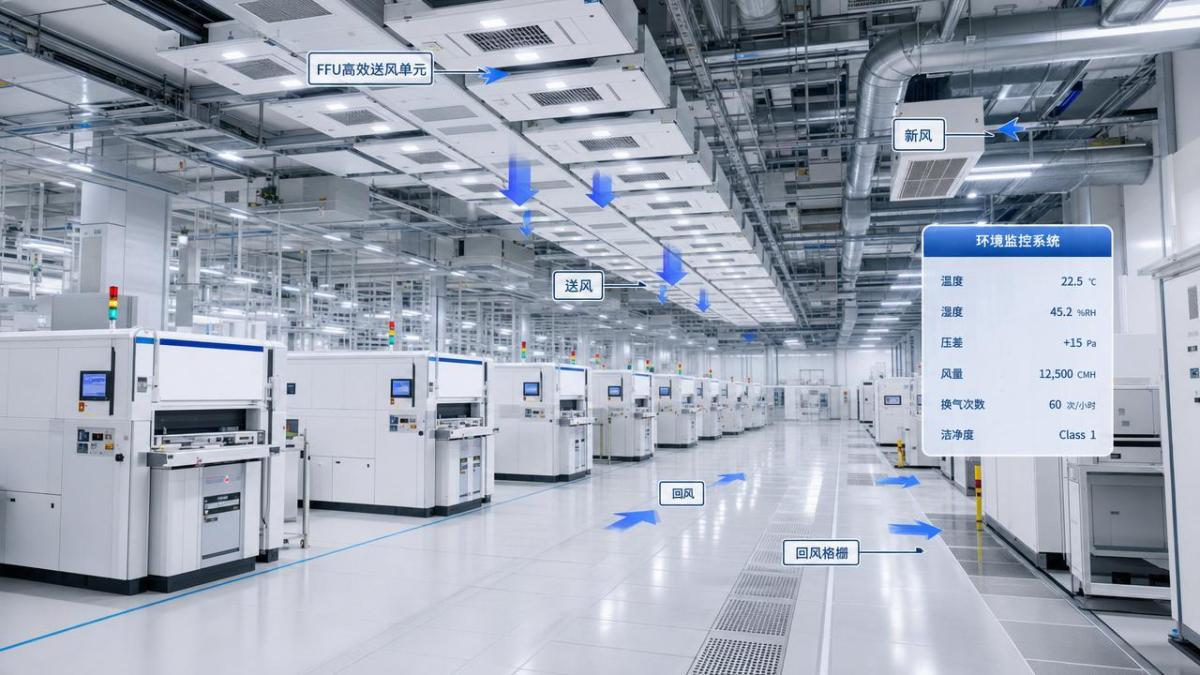
At a basic level, hvac in semiconductor fabs controls airborne particles, molecular contamination, temperature, humidity, and room pressurization. Each variable affects both product quality and equipment stability.
Unlike comfort HVAC, fab systems serve process integrity. They must maintain highly repeatable conditions, often across cleanrooms, sub-fabs, tool bays, chase spaces, and support utilities.
ISO Class targets define allowable airborne particle concentrations. However, cleanroom success depends on more than filters. Air change rates, airflow patterns, leakage control, and return design all matter.
In leading facilities, thermal stability can be as important as cleanliness. A variation of a few tenths, or even hundredths, of a degree may influence overlay, metrology, and process repeatability.
- Particle concentration for ISO Class zones
- Temperature consistency for process tools
- Relative humidity for electrostatic and material control
- Pressure cascades between adjacent spaces
- Airborne molecular contamination exposure
How does airflow design help meet ISO Class targets?
Airflow design is the backbone of hvac in semiconductor fabs. It determines whether particles are swept away from critical zones or recirculated back into sensitive process areas.
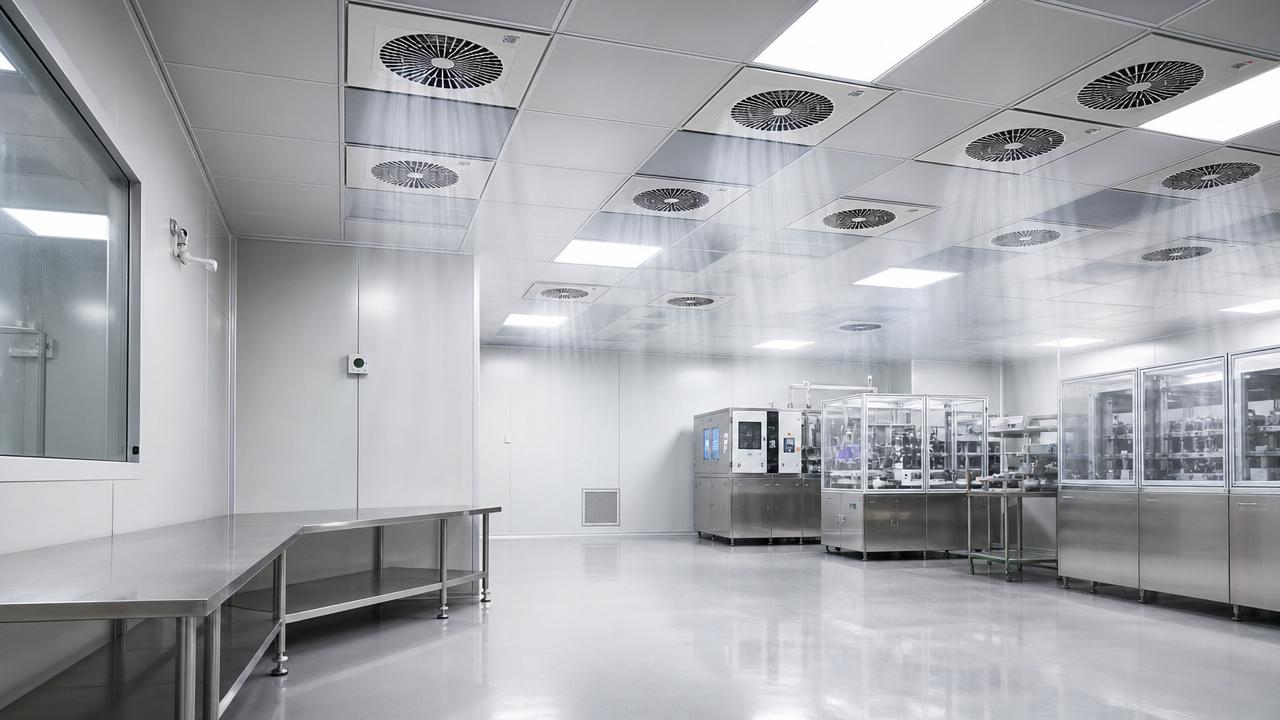
Many fabs use unidirectional or near-unidirectional airflow above process tools. Fan Filter Units, ceiling coverage, raised floors, and low-wall returns shape the particle transport path.
The goal is not simply high airflow volume. Excess velocity can create turbulence around tools, operators, and material handling interfaces, which may worsen local contamination behavior.
A good design aligns airflow with process risk. Lithography bays, metrology zones, and wafer transfer interfaces often need stricter control than less sensitive support spaces.
Key airflow design checks
- Uniform supply coverage above critical tools
- Balanced return paths without dead zones
- Controlled velocities at operator positions
- Minimal turbulence near doors and pass-throughs
- Zoning that reflects process sensitivity
Computational Fluid Dynamics can support planning, but field validation remains essential. Smoke visualization, particle mapping, and differential pressure trending reveal real operational behavior.
Why are filtration and pressure cascades both critical?
Filtration removes contaminants, while pressure cascades prevent contaminated air from migrating into cleaner spaces. In hvac in semiconductor fabs, these two controls must be designed together.
HEPA or ULPA filters are common in high-grade fab environments. Their effectiveness depends on seal integrity, upstream air quality, loading behavior, and replacement discipline.
Pressure differentials create directional airflow between rooms. Cleaner areas are usually maintained at higher pressure relative to adjacent less-clean spaces, reducing intrusion during normal operation.
This is especially important around gowning, material staging, maintenance corridors, and sub-fab access points. Door openings and service penetrations can quickly defeat a theoretical cleanroom design.
Common mistakes
- Assuming filter grade alone guarantees ISO Class performance
- Ignoring leakage at frames, ducts, and ceiling grids
- Setting pressure targets without door-use analysis
- Overlooking AMC risks in make-up air design
For many facilities, the practical question is resilience. A robust system maintains control not only during steady-state production, but also during maintenance, occupancy changes, and expansion phases.
How precise must temperature and humidity control be?
The answer depends on the process mix, tool sensitivity, and ISO Class strategy. Still, precision thermal control is a defining feature of hvac in semiconductor fabs.
Temperature stability supports overlay accuracy, equipment calibration, and dimensional consistency. Humidity control helps manage electrostatic discharge, material behavior, and operator comfort in controlled limits.
Some advanced areas target extremely narrow tolerances. Achieving that requires more than a high-end chiller. It demands integrated sensors, stable hydronic systems, control logic, and low-disturbance airflow.
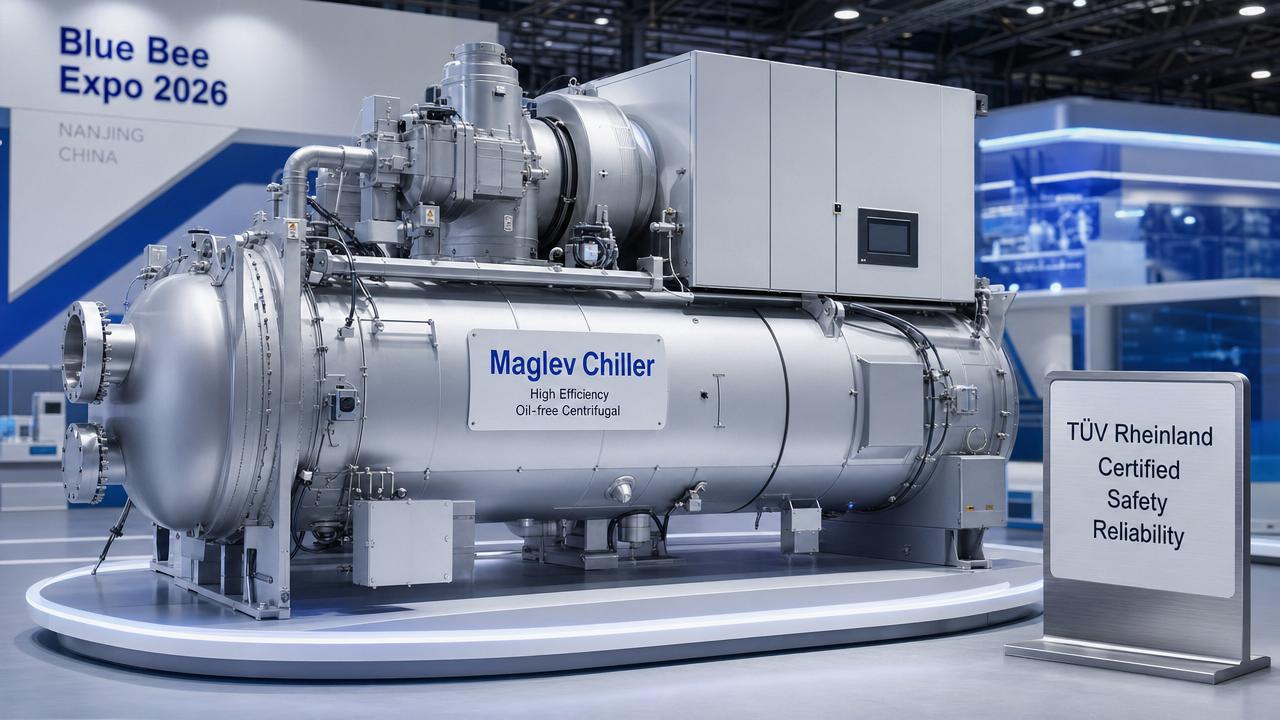
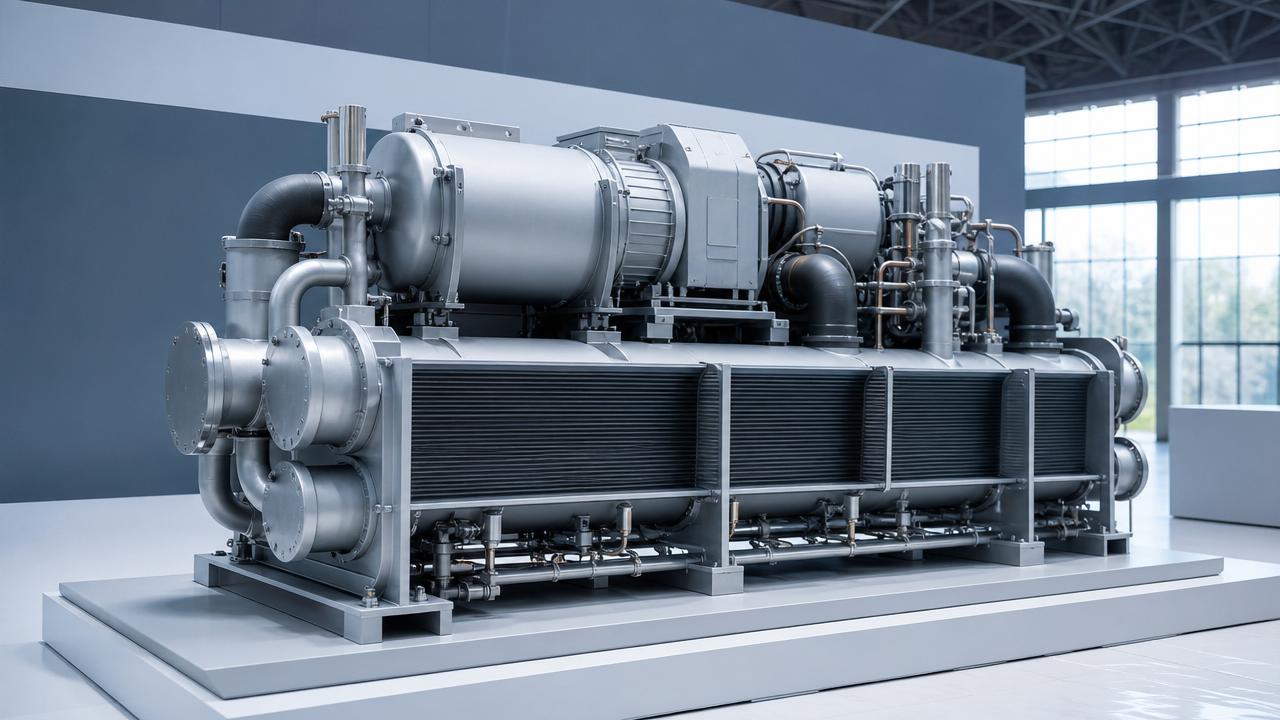
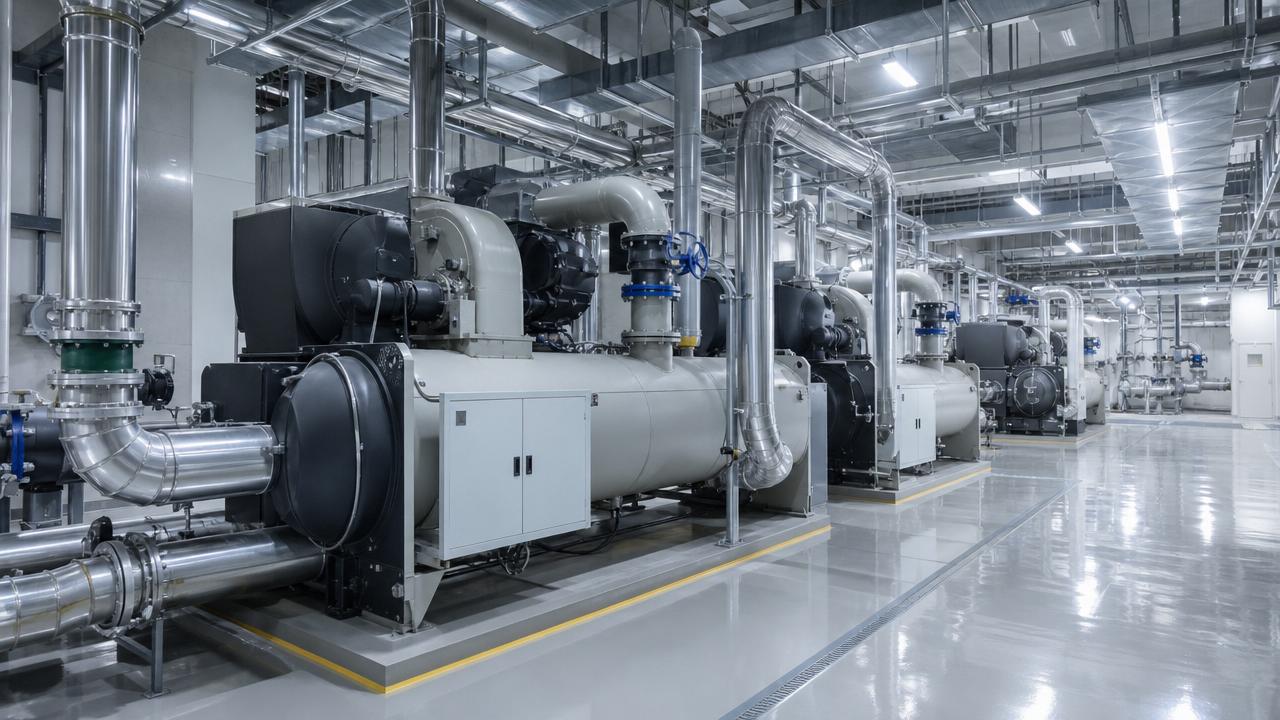
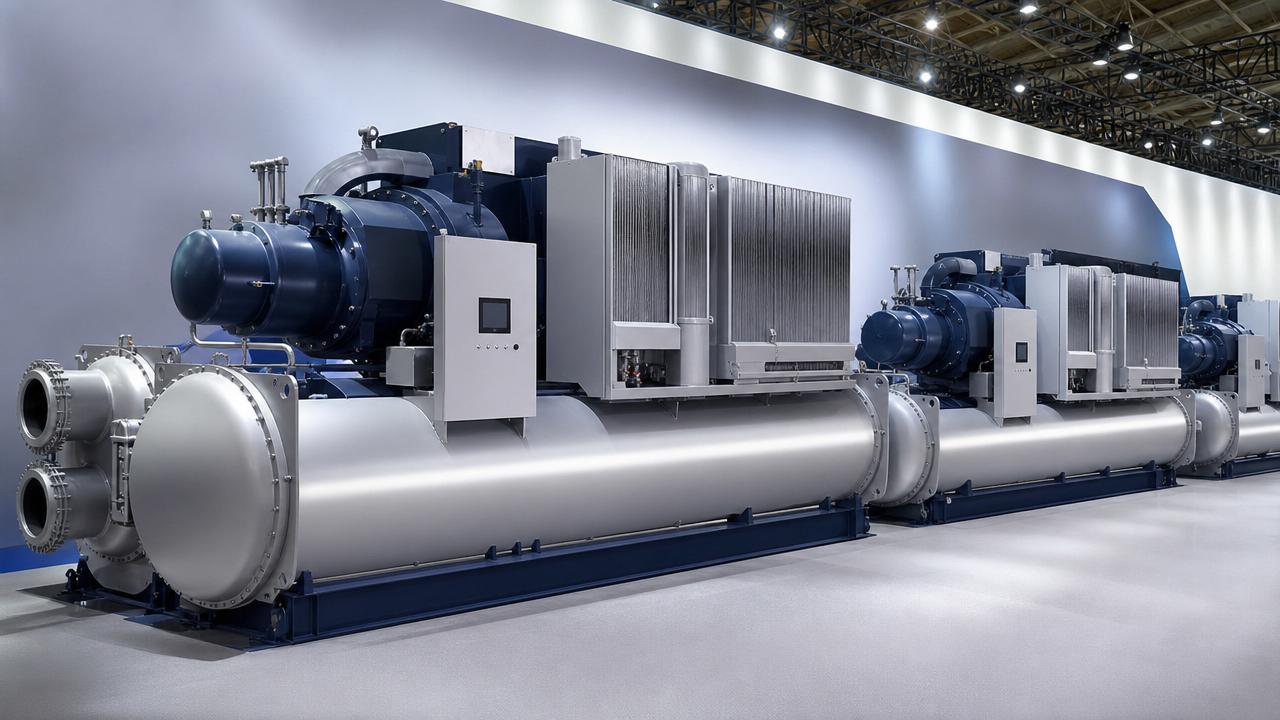
Magnetic-levitation chillers, precision AHUs, and digital control platforms can improve efficiency and repeatability. However, poor zoning or bad sensor placement can still undermine the final room condition.
Evaluation questions
- Are control tolerances matched to actual process needs?
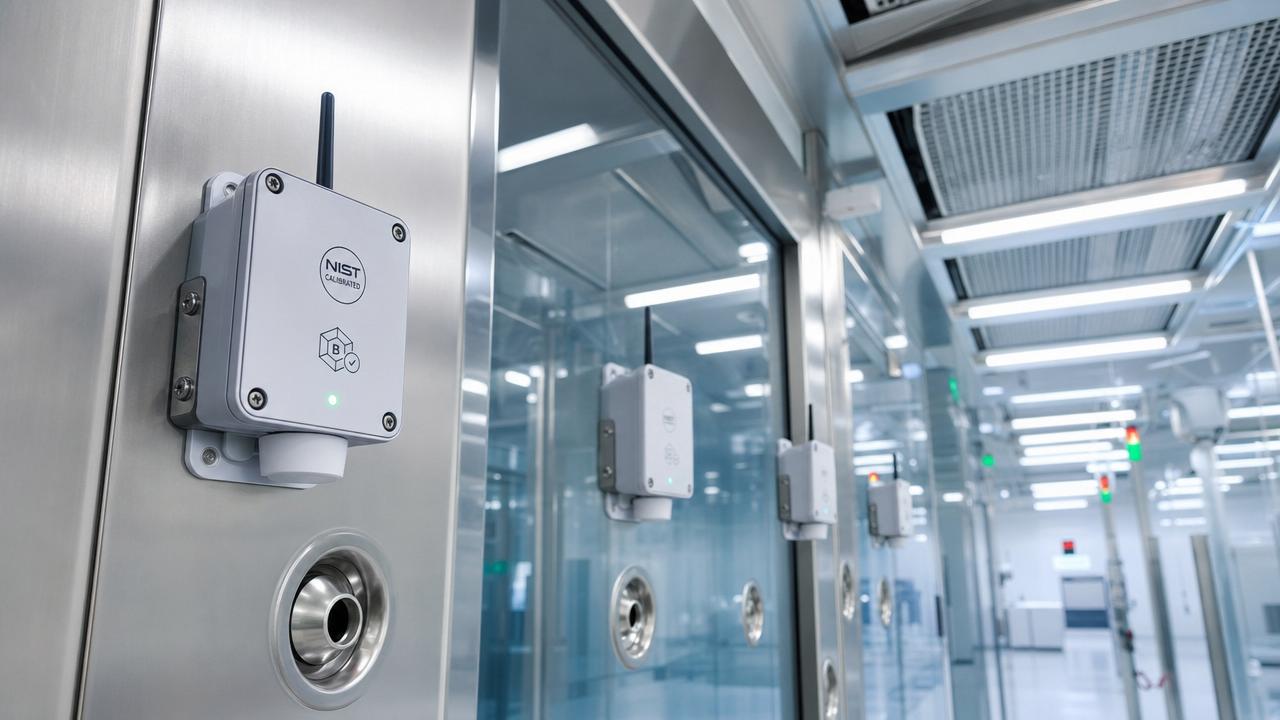
- Are sensors installed where the process sees the condition?
- Can the system recover quickly after disturbance?
- Does energy optimization compromise stability?
How should hvac in semiconductor fabs be compared during selection?
Selection should balance contamination control, thermal performance, flexibility, and lifecycle efficiency. The best hvac in semiconductor fabs is not always the one with the highest airflow or strictest setpoint.
A better approach is to compare systems across measurable criteria. This makes future upgrades, benchmarking, and compliance reviews much easier.
Benchmarking against ISO 14644, ASHRAE guidance, and relevant SEMI practices helps convert marketing claims into verifiable engineering decisions.
What risks and implementation issues are often underestimated?
One major risk is treating hvac in semiconductor fabs as a late-stage mechanical package. In reality, it must be coordinated early with architecture, process tools, utilities, and monitoring systems.
Another issue is underestimating commissioning. Cleanroom certification, airflow balancing, filter integrity testing, and control tuning are not administrative steps. They are core performance activities.
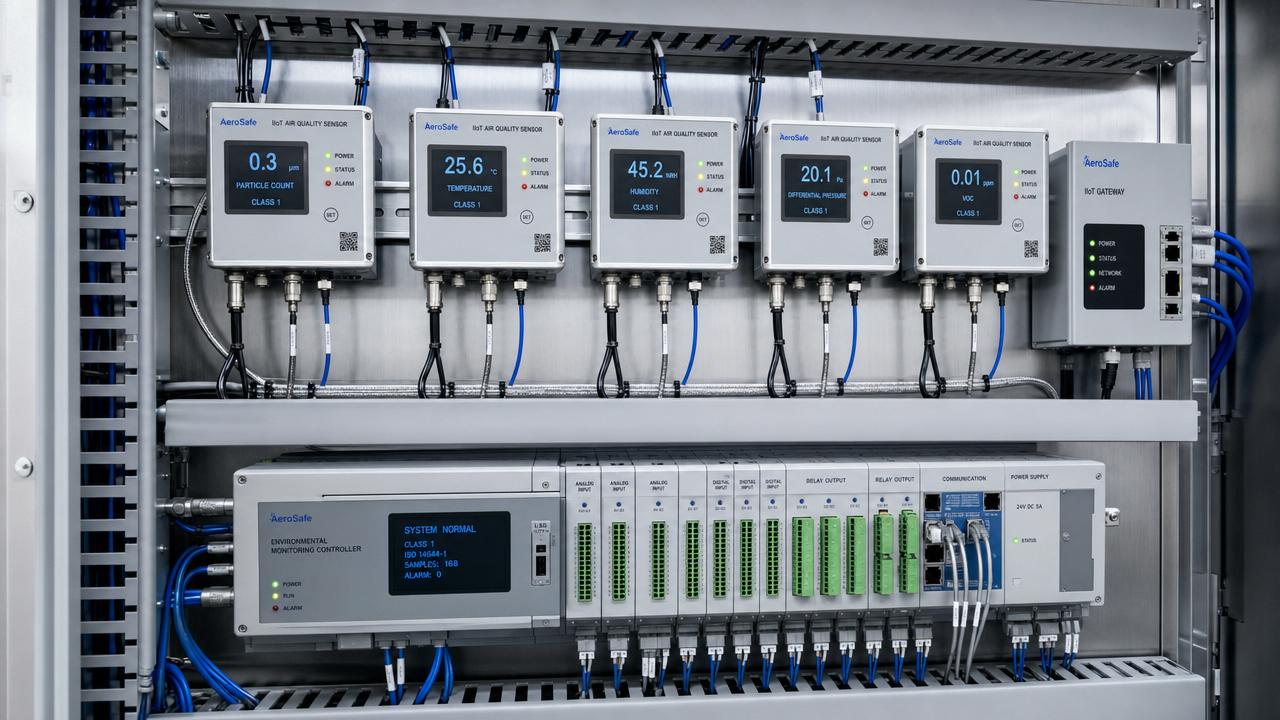
Digital monitoring is also becoming essential. Continuous particle counts, environmental trends, and alarm analytics support faster root-cause analysis and stronger preventive maintenance.
Facilities using digital twins and smart environmental monitoring can compare design intent with live performance. That is valuable when process density rises or sustainability targets tighten.
Practical implementation reminders
- Align HVAC zoning with process criticality
- Commission under realistic occupancy conditions
- Trend deviations before yield loss appears
- Plan for filter loading and future retrofit space
- Integrate ESG efficiency goals without weakening control
FAQ: quick answers on hvac in semiconductor fabs
Successful hvac in semiconductor fabs depends on system integration, not isolated equipment choices. ISO Class targets, airflow discipline, filtration quality, and thermal precision must reinforce each other.
A reliable next step is to review current airflow maps, pressure trends, filter integrity records, and thermal stability data against process-critical zones. That creates a practical baseline for upgrades or new fab planning.
When environmental control is benchmarked with discipline, fab infrastructure becomes more than compliant. It becomes a measurable contributor to yield, resilience, and long-term operational advantage.
Get weekly intelligence in your inbox.
No noise. No sponsored content. Pure intelligence.
 Jun 01, 2026Market Intelligence Reports: Signals That Support 2026 Expansion PlansMarket Intelligence Reports reveal the technical, regulatory, and ESG signals leaders need to plan resilient 2026 expansions with lower risk and stronger ROI.
 Jun 01, 2026Matter Compatible Devices: Setup Risks in Mixed Smart HomesMatter compatible devices can simplify mixed smart homes, but setup risks remain. Learn how to avoid pairing issues, network gaps, feature limits, and automation conflicts.
 Jun 01, 2026USB C Docking Stations: Power Delivery Limits to Check FirstUSB C docking stations can make or break workstation stability. Learn the key power delivery limits to check before buying for safer, smoother daily operation.
 Jun 01, 2026Healthcare Analytics in 2026: Data Quality Checks Before DeploymentHealthcare Analytics in 2026 demands trusted data before deployment. Learn key quality checks for completeness, traceability, compliance, and safer go-live decisions.
 Jun 01, 2026OEM Machined Parts: Tolerance Risks That Raise Assembly CostsOEMmachinedparts tolerance risks can drive rework, delays, and hidden assembly costs. Learn how to control specs, suppliers, and sourcing decisions.
 Jun 01, 2026China Excludes UPW Regeneration Modules from Hazardous Waste RulesChina exempts UPW regeneration modules from hazardous waste rules—key update for semiconductor suppliers, fabs & logistics firms. Learn implications & compliance steps.
 Jun 01, 2026Blue Bee Expo 2026: Maglev Chiller Export Orders Surge 210%; ±0.01°C Control Now Key EU/US Procurement CriterionBlue Bee Expo 2026: Maglev chiller export orders surge 210%; ±0.01°C control & Digital Twin validation now mandatory for EU/US tenders.
 Jun 01, 2026ECHA Updates SCIP Rules: AMC Filtration Exporters Must Disclose Regeneration ParametersAMC filtration exporters must now disclose adsorbent regeneration parameters in SCIP submissions—key for EU compliance. Act before 1 July 2026.
 Jun 01, 2026IEC Revises IEC 60335-2-102: New Mandatory Real-Time Calibration for IIoT Air Monitoring in Class 1–9 SystemsIEC 60335-2-102 revision mandates real-time IIoT air monitoring calibration for Class 1–9 cleanroom systems—act now to ensure compliance, certification & market access.
 Jun 01, 2026FDA Tightens Import Rules for BSL-3/4 Decon SystemsFDA tightens import rules for BSL-3/4 decon systems: Full-cycle biological validation now mandatory for U.S. market access—act before May 30, 2026.
 May 31, 2026Corrugated Plastic Boxes for Retail Packaging: When to Use ThemCorrugated plastic boxes for retail packaging offer durable, reusable, moisture-resistant solutions. Learn when they outperform cartons and how to choose the right design.
 May 31, 2026OEM Machined Parts: Tolerance Risks to CheckOEM machined parts can hide tolerance risks that cause leaks, vibration, contamination, or compliance issues. Learn key checks before supplier approval.
 May 31, 2026Solar Panels Wholesale Cost Guide 2026Solar panels wholesale cost guide for 2026: compare pricing, landed costs, certifications, and supplier risks to buy smarter and protect long-term ROI.
 May 31, 2026Medical Grade Silicone: Key Safety ChecksMedical grade silicone safety checks for QC teams: verify compliance, traceability, compatibility, and performance to reduce contamination risk and downtime.
 May 31, 2026How to Size Fan Filter Units for ISO CleanroomsFan Filter Units sizing guide for ISO cleanrooms: learn how to balance airflow, coverage, pressure, heat load, and energy cost for reliable contamination control.
 May 31, 2026Blue Bee Expo Nanjing 2026 Closes: Maglev Chillers See 210% Overseas Order GrowthMaglev chillers drive 210% overseas order growth at Blue Bee Expo Nanjing 2026 — discover how ±0.01°C precision & ASHRAE 188-2024 Annex J compliance are reshaping global HVAC procurement.
 May 31, 2026FDA Updates BSL-3/4 Lab Equipment Import Rules for Decon SystemsFDA updates BSL-3/4 lab equipment import rules for decon systems—new VHP/GHP validation requirements take effect immediately. Act now to avoid shipment delays.
 May 31, 2026IEC Launches Revision of ISO Class 1–9 Cleanroom Standards with IIoT Air Monitoring Calibration RequirementIEC mandates IIoT air monitoring calibration for ISO Class 1–9 cleanrooms—key for pharma, semiconductor & biotech exporters. Act now to align with 2027 enforcement.
 May 31, 2026China Excludes UPW Resin Modules from Hazardous Waste RulesUPW resin modules now exempt from China’s hazardous waste rules—boosting export efficiency for semiconductor, pharma & electronics firms. Key update for global supply chains.
 May 31, 2026EU Adds DBDPE to SVHC Candidate List: AMC Filtration Exporters Must Update SDS and SCIPEU adds DBDPE to SVHC list—AMC filtration exporters must update SDS & submit SCIP notifications by 5 May 2026. Act now to avoid delays, audits, and lost tenders.
 May 30, 2026Industrial HVAC Tender Alerts: What to Track in 2026industrial hvac tender alerts in 2026 reveal project signals, compliance risks, and market opportunities—learn what to track to bid smarter and plan ahead.
 May 30, 2026Wireless EV Charging: Efficiency Losses ExplainedWireless EV charging efficiency losses explained: compare plug-in systems, key loss points, cost impacts, and procurement tips for smarter fleet decisions.
 May 30, 2026Solar Panels Wholesale USA: Price vs Warranty ChecksSolar panels wholesale USA buyers: learn how to compare price, warranty, supplier stability, landed cost, and documents to protect margins and buy with confidence.
 May 30, 20265 Axis Milling Cost Drivers to Check Before Quoting5 axis milling costs depend on material, tolerances, finish, inspection, and volume. Learn what to check before quoting to reduce risk and secure better value.
 May 30, 2026Surgical Instruments: Cleaning Risks Before SterilizationSurgical instruments cleaning risks before sterilization: uncover hidden residues, biofilms, water quality issues, and control steps that protect safety and audit readiness.
 May 30, 20262026 Blue Bee Expo Closes in Nanjing: Maglev Chillers’ Overseas Orders Surge 210%Maglev Chillers surge 210% in overseas orders at 2026 Blue Bee Expo Nanjing — discover how precision thermal stability is reshaping global HVAC procurement.
 May 30, 2026IEC Launches Global Revision of Cleanroom Standards with IIoT Air Monitoring Calibration RequirementIEC’s new cleanroom standards mandate IIoT air monitoring calibration—NIST-traceable, blockchain-verified, ≤72h intervals. Critical for semiconductor, biopharma & medtech.