Factory Automation Solutions for Smart Manufacturing: Selection Criteria That Reduce Downtime
Factory Automation Solutions for Smart Manufacturing: Selection Criteria That Reduce Downtime
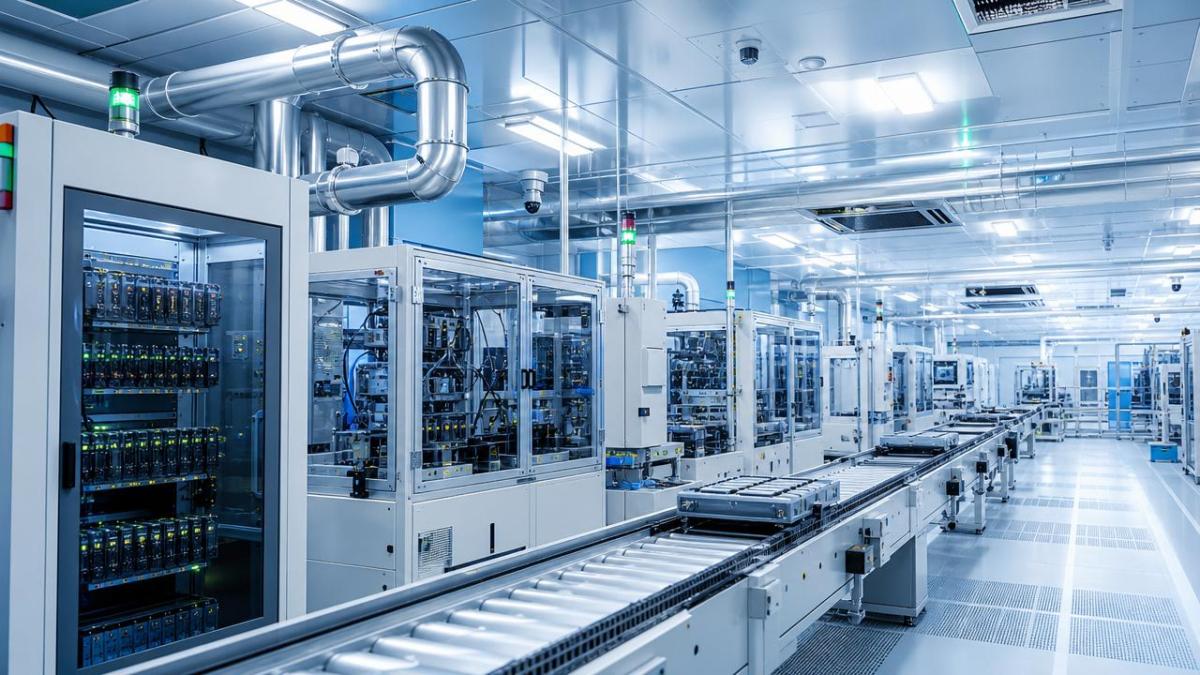
Selecting factory automation solutions for smart manufacturing is no longer just a productivity decision. It is a resilience strategy for regulated, high-performance industry.
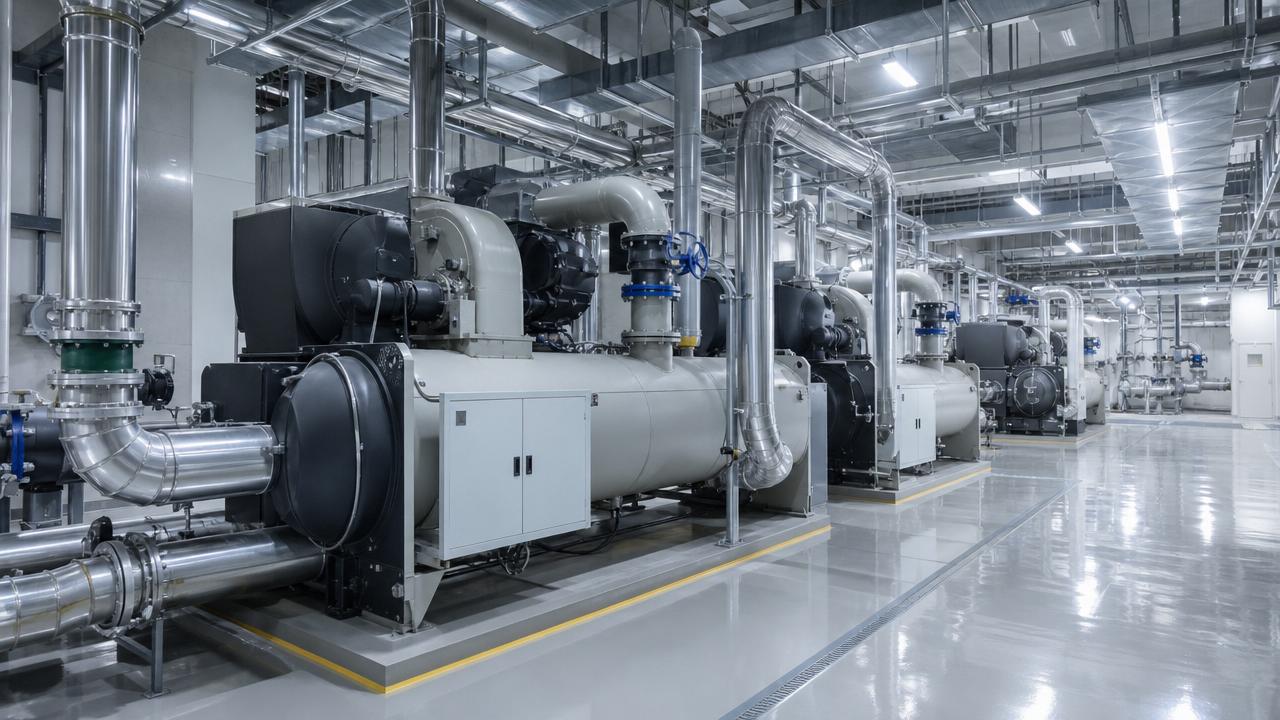
In cleanrooms, precision HVAC plants, UPW systems, biosafety facilities, and monitored industrial campuses, downtime creates cascading technical and compliance risks.
The right automation architecture protects environmental stability, energy efficiency, traceability, and equipment availability across critical manufacturing infrastructure.
Core Definition and Decision Scope
Factory automation solutions for smart manufacturing combine control hardware, industrial software, sensing networks, analytics, and connected execution systems.
They coordinate machines, utilities, environmental systems, process equipment, inspection stations, and data platforms into one operational structure.
In advanced facilities, automation is not limited to robotics or production lines. It extends into air, water, pressure, temperature, and containment control.
This broader view is essential where ISO 14644, ASHRAE guidance, SEMI practices, GMP expectations, or biosafety requirements influence daily decisions.
A strong selection process evaluates how factory automation solutions for smart manufacturing behave during abnormal conditions, not only during ideal production.
Key Components Usually Included
- PLC, DCS, SCADA, BMS, EMS, and machine control platforms.
- Edge gateways, industrial networks, and secure cloud or on-premise analytics.
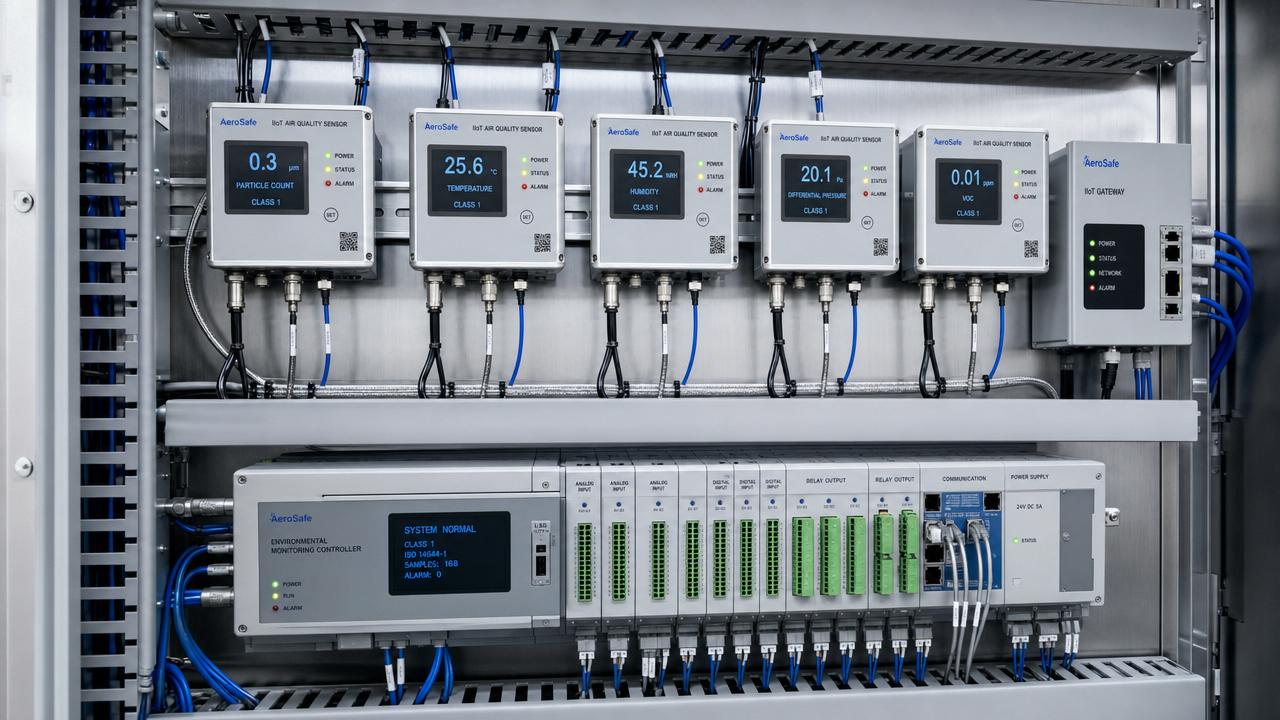
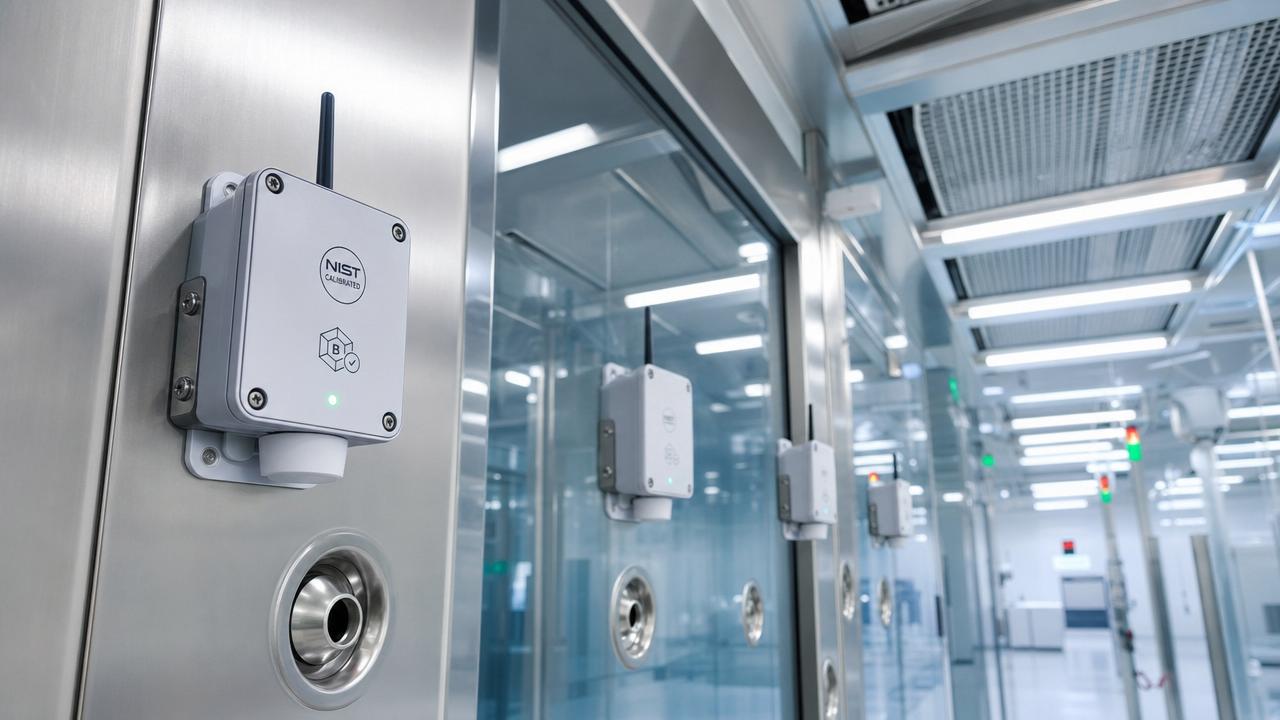
- Sensors for particles, pressure, airflow, vibration, temperature, humidity, TOC, and flow.
- MES, CMMS, historian, quality systems, and digital twin environments.
- Alarm management, electronic records, dashboards, and maintenance workflows.
Industry Background and Current Signals
Modern industrial sites face pressure from product miniaturization, stricter contamination limits, energy volatility, and shorter validation cycles.
Semiconductor fabs, pharmaceutical plants, battery lines, laboratories, and precision assembly facilities now depend on continuous environmental integrity.
As a result, factory automation solutions for smart manufacturing must integrate production performance with facility-side stability.
The strongest automation decisions now link uptime, compliance evidence, and resource efficiency in one lifecycle model.
This shift makes factory automation solutions for smart manufacturing a strategic infrastructure layer, not a separate production technology.
Selection Criteria That Directly Reduce Downtime
Downtime reduction starts with architecture discipline. Each control layer should remain observable, serviceable, and recoverable under practical operating constraints.
1. Interoperability Across Production and Facilities
Factory automation solutions for smart manufacturing should exchange data across machines, cleanroom systems, HVAC equipment, UPW skids, and safety systems.
Open protocols such as OPC UA, MQTT, BACnet, Modbus TCP, and REST APIs reduce dependency on isolated vendor ecosystems.
Interoperability helps identify whether a yield issue originates from process equipment, utility instability, or environmental deviation.
2. Environmental Stability as a Control Objective
High-value facilities need automation that treats temperature, humidity, pressure, airflow, and particle counts as critical process variables.
Control loops should be tuned for stability, not only response speed. Overcorrection can create oscillation, alarms, and avoidable shutdowns.
Factory automation solutions for smart manufacturing should support trend correlation between production events and environmental fluctuations.
3. Predictive Maintenance and Condition Monitoring
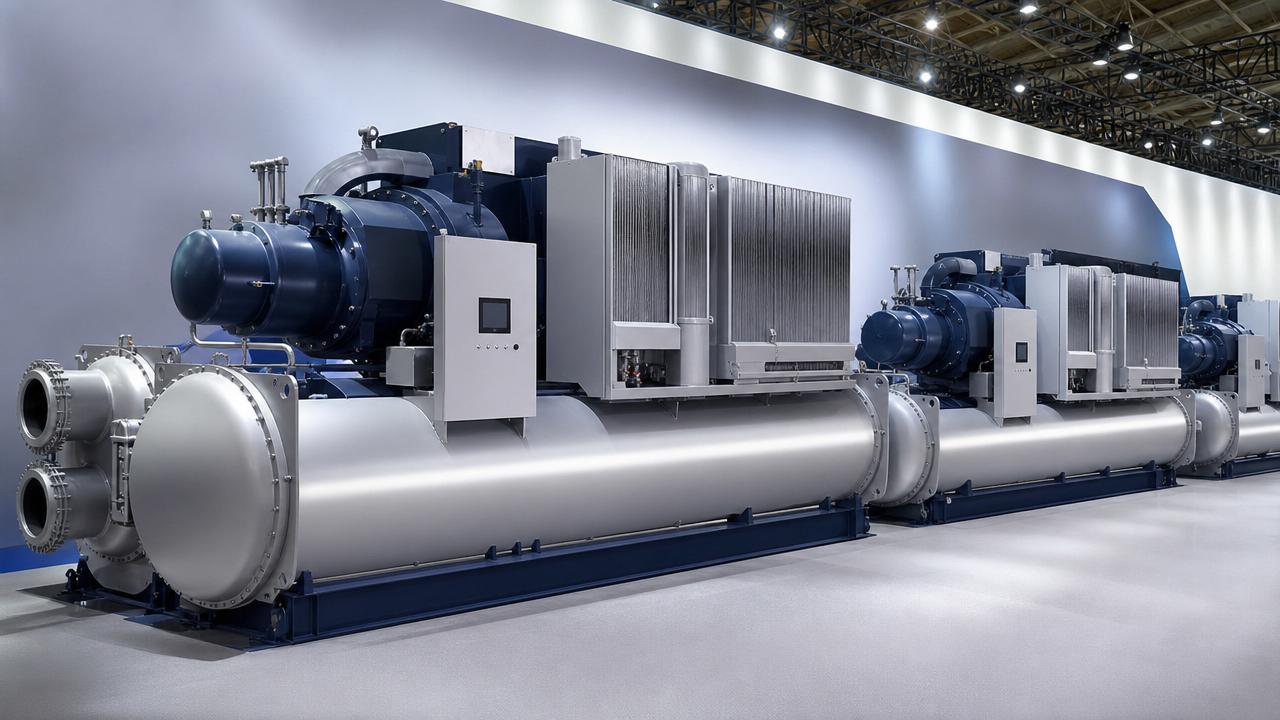
Predictive maintenance requires reliable condition data from motors, pumps, valves, chillers, filters, compressors, robots, and inspection equipment.
Useful indicators include vibration, differential pressure, current signature, thermal drift, cycle time, leakage, and alarm frequency.
The goal is not more alarms. The goal is earlier, clearer action before failures interrupt production or compliance status.
4. Cybersecurity and Segmented Resilience
Connected industrial systems expand the attack surface. Security must be considered during automation selection, not added after commissioning.
Network segmentation, role-based access, patch governance, backup logic, and incident recovery plans are essential for uptime protection.
Factory automation solutions for smart manufacturing should align with industrial cybersecurity frameworks and site-level risk assessments.
5. Validation, Auditability, and Data Integrity
Regulated environments need traceable data, controlled changes, time synchronization, secure records, and clear audit trails.
Automation platforms should support electronic signatures, version management, alarm history, calibration status, and validation documentation.
This reduces downtime caused by investigation gaps, undocumented adjustments, or uncertainty during deviation review.
Application Value Across Critical Operations
The business value of factory automation solutions for smart manufacturing becomes visible when production, infrastructure, and quality data are evaluated together.
This integration supports faster root-cause analysis, lower energy intensity, fewer unplanned stoppages, and stronger regulatory confidence.
In high-performance plants, small instability can become expensive. A pressure drift or chiller imbalance may trigger product holds.
Well-selected factory automation solutions for smart manufacturing make these weak signals visible before they become downtime events.
Typical Scenarios and System Priorities
Different industrial environments need different automation priorities. A generic platform may underperform if it ignores facility-specific risk patterns.
Factory automation solutions for smart manufacturing should be evaluated against the most downtime-sensitive scenario, not the easiest equipment connection.
Practical Evaluation Checklist
A structured checklist prevents selection from being driven by interface appearance, isolated features, or short-term installation convenience.
- Map all critical assets, utilities, rooms, process tools, and compliance records before platform selection.
- Define acceptable downtime, recovery time, alarm response, and data retention targets.
- Confirm protocol support, cybersecurity controls, redundancy options, and long-term upgrade paths.
- Validate sensor accuracy, calibration workflow, sampling frequency, and environmental placement strategy.
- Require data models that connect production events with utility and environmental conditions.
- Test failure modes, manual override logic, backup restoration, and operator decision support.
Factory automation solutions for smart manufacturing should also be assessed through lifecycle cost, not only initial procurement cost.
Maintenance labor, validation effort, cybersecurity updates, licensing, spare parts, and training all affect long-term resilience.
Common Selection Risks
- Choosing a system that cannot scale from pilot line to full campus operation.
- Ignoring cleanroom, biosafety, or UPW requirements during automation architecture design.
- Depending on dashboards without verified alarm philosophy or maintenance workflows.
- Separating energy optimization from environmental stability and product quality.
- Accepting closed data structures that limit future digital twin development.
Implementation Notes for Reliable Scaling
Implementation should begin with a control narrative that describes normal operation, deviation response, and recovery behavior.
This narrative becomes the foundation for FAT, SAT, commissioning, validation, and later optimization activities.
Factory automation solutions for smart manufacturing perform best when data naming, asset hierarchy, and alarm rules are standardized early.
Digital twin models should be built from verified engineering data, not decorative visualization alone.
When models reflect real thermodynamic, airflow, and process behavior, they support better scenario testing and downtime prevention.
- Start with one high-risk area, such as cleanroom pressure or chiller reliability.
- Connect validated sensors and establish trustworthy baseline performance.
- Introduce predictive analytics only after data quality is stable.
- Expand to adjacent utilities, process lines, and compliance reporting systems.
- Review results against downtime, energy, quality, and audit metrics.
Action Path for Automation Benchmarking
A practical next step is to benchmark existing automation against downtime history, environmental deviations, maintenance records, and energy intensity.
This reveals whether failures are caused by assets, control logic, data gaps, or fragmented operational responsibility.
Factory automation solutions for smart manufacturing should then be shortlisted using measurable criteria, not broad claims.
Useful benchmarks include recovery time, alarm quality, integration depth, validation readiness, energy performance, and predictive maintenance maturity.
For regulated and precision-driven facilities, the strongest choice is the architecture that keeps invisible operating conditions controlled.
By aligning automation selection with interoperability, environmental stability, cybersecurity, and lifecycle scalability, downtime becomes a manageable engineering variable.
That is the lasting value of factory automation solutions for smart manufacturing in resilient industrial operations.
Get weekly intelligence in your inbox.
No noise. No sponsored content. Pure intelligence.
 Jun 01, 2026Market Intelligence Reports: Signals That Support 2026 Expansion PlansMarket Intelligence Reports reveal the technical, regulatory, and ESG signals leaders need to plan resilient 2026 expansions with lower risk and stronger ROI.
 Jun 01, 2026Matter Compatible Devices: Setup Risks in Mixed Smart HomesMatter compatible devices can simplify mixed smart homes, but setup risks remain. Learn how to avoid pairing issues, network gaps, feature limits, and automation conflicts.
 Jun 01, 2026USB C Docking Stations: Power Delivery Limits to Check FirstUSB C docking stations can make or break workstation stability. Learn the key power delivery limits to check before buying for safer, smoother daily operation.
 Jun 01, 2026Healthcare Analytics in 2026: Data Quality Checks Before DeploymentHealthcare Analytics in 2026 demands trusted data before deployment. Learn key quality checks for completeness, traceability, compliance, and safer go-live decisions.
 Jun 01, 2026OEM Machined Parts: Tolerance Risks That Raise Assembly CostsOEMmachinedparts tolerance risks can drive rework, delays, and hidden assembly costs. Learn how to control specs, suppliers, and sourcing decisions.
 Jun 01, 2026China Excludes UPW Regeneration Modules from Hazardous Waste RulesChina exempts UPW regeneration modules from hazardous waste rules—key update for semiconductor suppliers, fabs & logistics firms. Learn implications & compliance steps.
 Jun 01, 2026Blue Bee Expo 2026: Maglev Chiller Export Orders Surge 210%; ±0.01°C Control Now Key EU/US Procurement CriterionBlue Bee Expo 2026: Maglev chiller export orders surge 210%; ±0.01°C control & Digital Twin validation now mandatory for EU/US tenders.
 Jun 01, 2026ECHA Updates SCIP Rules: AMC Filtration Exporters Must Disclose Regeneration ParametersAMC filtration exporters must now disclose adsorbent regeneration parameters in SCIP submissions—key for EU compliance. Act before 1 July 2026.
 Jun 01, 2026IEC Revises IEC 60335-2-102: New Mandatory Real-Time Calibration for IIoT Air Monitoring in Class 1–9 SystemsIEC 60335-2-102 revision mandates real-time IIoT air monitoring calibration for Class 1–9 cleanroom systems—act now to ensure compliance, certification & market access.
 Jun 01, 2026FDA Tightens Import Rules for BSL-3/4 Decon SystemsFDA tightens import rules for BSL-3/4 decon systems: Full-cycle biological validation now mandatory for U.S. market access—act before May 30, 2026.
 May 31, 2026Corrugated Plastic Boxes for Retail Packaging: When to Use ThemCorrugated plastic boxes for retail packaging offer durable, reusable, moisture-resistant solutions. Learn when they outperform cartons and how to choose the right design.
 May 31, 2026OEM Machined Parts: Tolerance Risks to CheckOEM machined parts can hide tolerance risks that cause leaks, vibration, contamination, or compliance issues. Learn key checks before supplier approval.
 May 31, 2026Solar Panels Wholesale Cost Guide 2026Solar panels wholesale cost guide for 2026: compare pricing, landed costs, certifications, and supplier risks to buy smarter and protect long-term ROI.
 May 31, 2026Medical Grade Silicone: Key Safety ChecksMedical grade silicone safety checks for QC teams: verify compliance, traceability, compatibility, and performance to reduce contamination risk and downtime.
 May 31, 2026How to Size Fan Filter Units for ISO CleanroomsFan Filter Units sizing guide for ISO cleanrooms: learn how to balance airflow, coverage, pressure, heat load, and energy cost for reliable contamination control.
 May 31, 2026Blue Bee Expo Nanjing 2026 Closes: Maglev Chillers See 210% Overseas Order GrowthMaglev chillers drive 210% overseas order growth at Blue Bee Expo Nanjing 2026 — discover how ±0.01°C precision & ASHRAE 188-2024 Annex J compliance are reshaping global HVAC procurement.
 May 31, 2026FDA Updates BSL-3/4 Lab Equipment Import Rules for Decon SystemsFDA updates BSL-3/4 lab equipment import rules for decon systems—new VHP/GHP validation requirements take effect immediately. Act now to avoid shipment delays.
 May 31, 2026IEC Launches Revision of ISO Class 1–9 Cleanroom Standards with IIoT Air Monitoring Calibration RequirementIEC mandates IIoT air monitoring calibration for ISO Class 1–9 cleanrooms—key for pharma, semiconductor & biotech exporters. Act now to align with 2027 enforcement.
 May 31, 2026China Excludes UPW Resin Modules from Hazardous Waste RulesUPW resin modules now exempt from China’s hazardous waste rules—boosting export efficiency for semiconductor, pharma & electronics firms. Key update for global supply chains.
 May 31, 2026EU Adds DBDPE to SVHC Candidate List: AMC Filtration Exporters Must Update SDS and SCIPEU adds DBDPE to SVHC list—AMC filtration exporters must update SDS & submit SCIP notifications by 5 May 2026. Act now to avoid delays, audits, and lost tenders.
 May 30, 2026Industrial HVAC Tender Alerts: What to Track in 2026industrial hvac tender alerts in 2026 reveal project signals, compliance risks, and market opportunities—learn what to track to bid smarter and plan ahead.
 May 30, 2026Wireless EV Charging: Efficiency Losses ExplainedWireless EV charging efficiency losses explained: compare plug-in systems, key loss points, cost impacts, and procurement tips for smarter fleet decisions.
 May 30, 2026Solar Panels Wholesale USA: Price vs Warranty ChecksSolar panels wholesale USA buyers: learn how to compare price, warranty, supplier stability, landed cost, and documents to protect margins and buy with confidence.
 May 30, 20265 Axis Milling Cost Drivers to Check Before Quoting5 axis milling costs depend on material, tolerances, finish, inspection, and volume. Learn what to check before quoting to reduce risk and secure better value.
 May 30, 2026Surgical Instruments: Cleaning Risks Before SterilizationSurgical instruments cleaning risks before sterilization: uncover hidden residues, biofilms, water quality issues, and control steps that protect safety and audit readiness.
 May 30, 20262026 Blue Bee Expo Closes in Nanjing: Maglev Chillers’ Overseas Orders Surge 210%Maglev Chillers surge 210% in overseas orders at 2026 Blue Bee Expo Nanjing — discover how precision thermal stability is reshaping global HVAC procurement.
 May 30, 2026IEC Launches Global Revision of Cleanroom Standards with IIoT Air Monitoring Calibration RequirementIEC’s new cleanroom standards mandate IIoT air monitoring calibration—NIST-traceable, blockchain-verified, ≤72h intervals. Critical for semiconductor, biopharma & medtech.