2026 Blue Bee Exhibition Closes in Nanjing: Maglev Chiller Export Orders Surge 210%
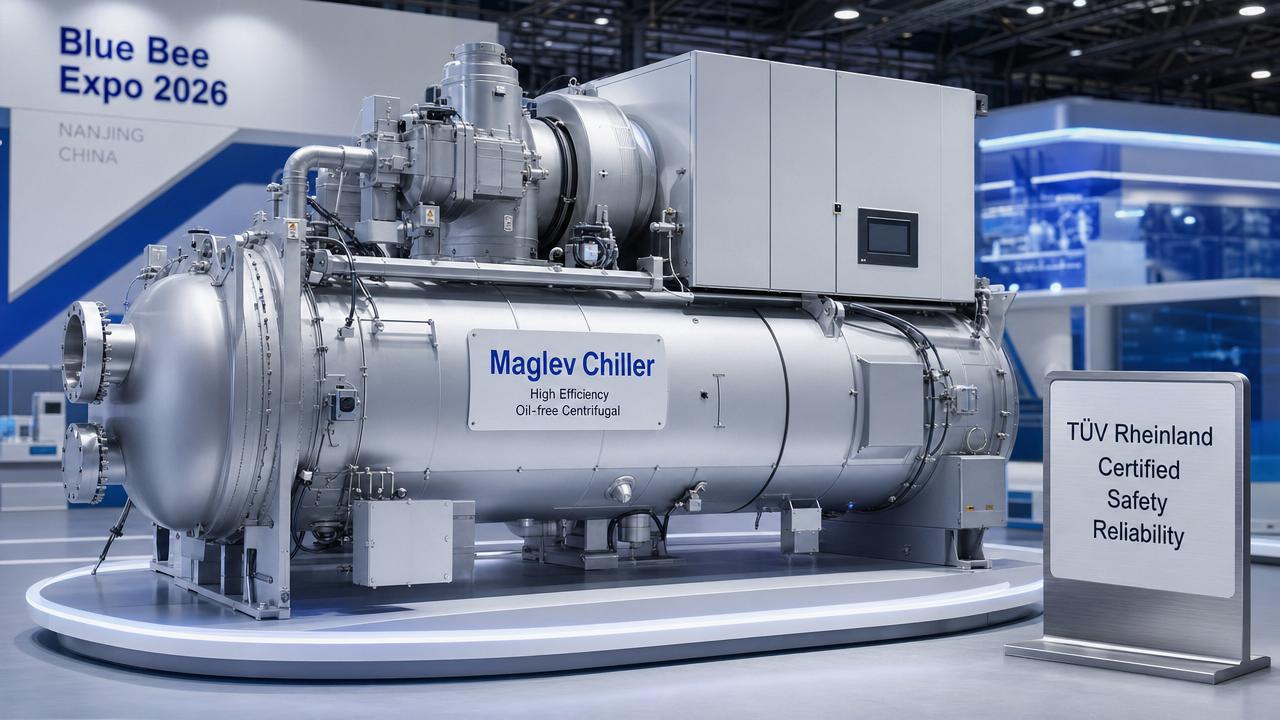
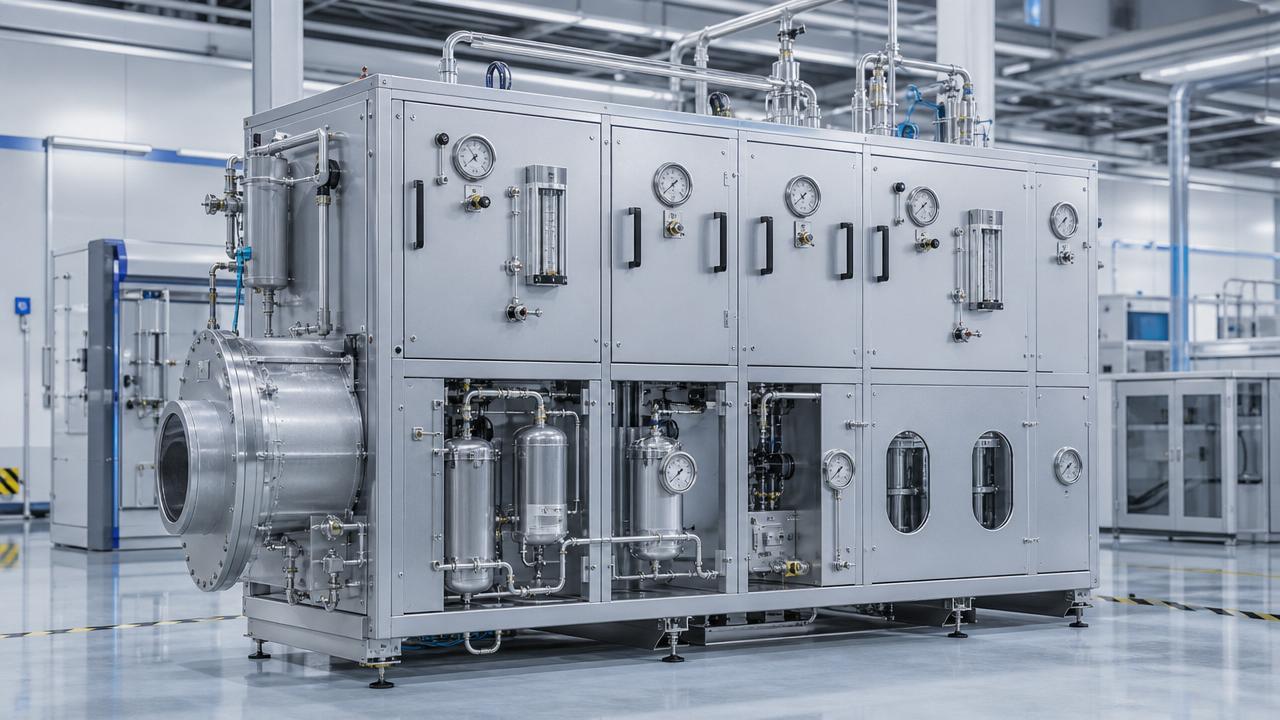
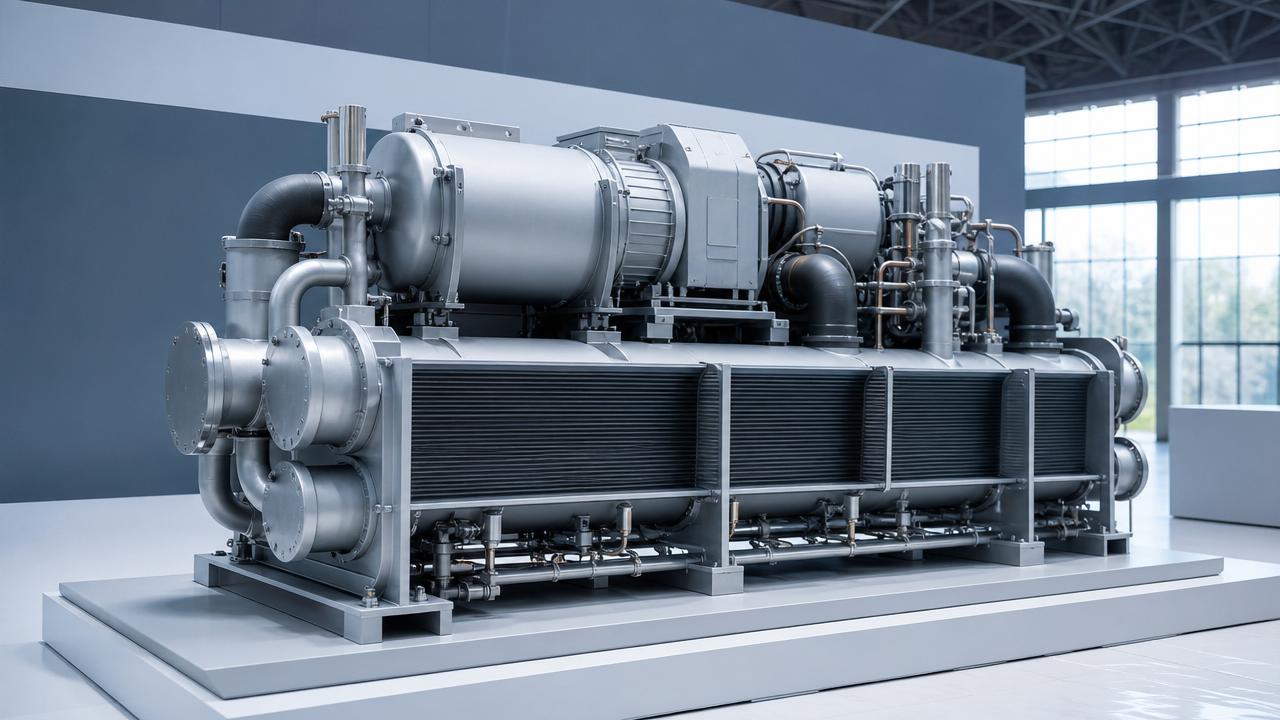
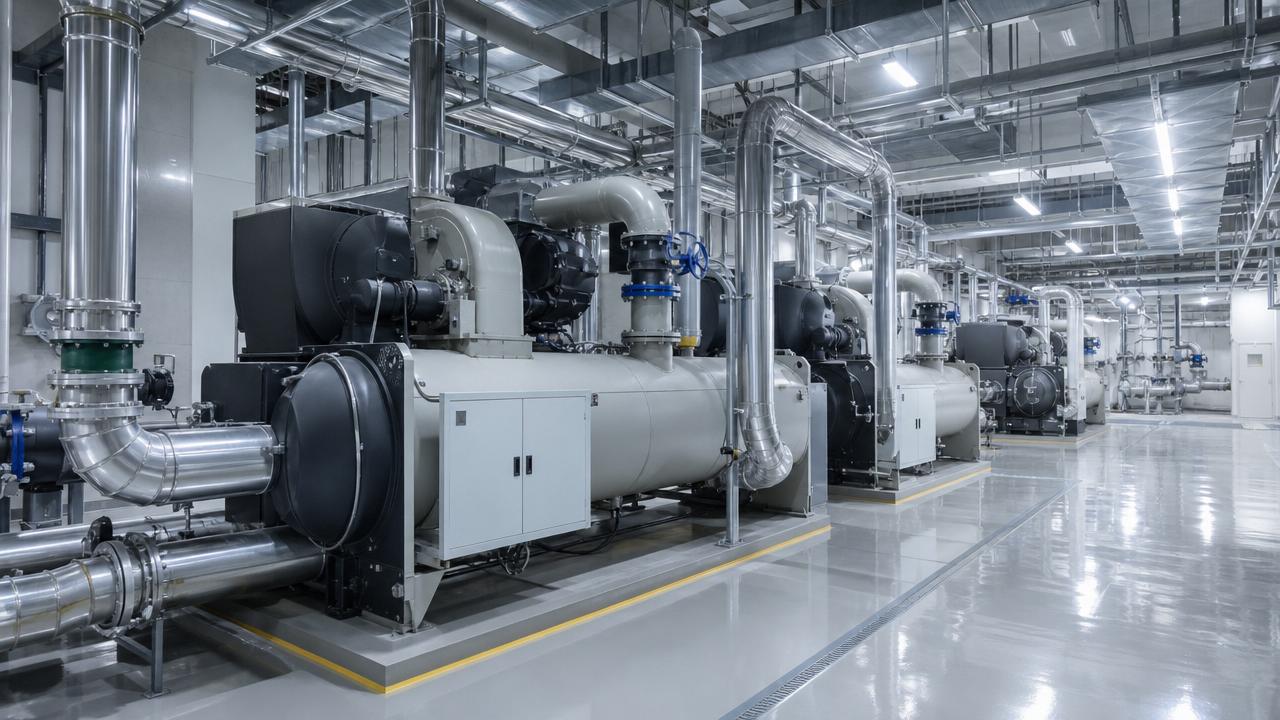
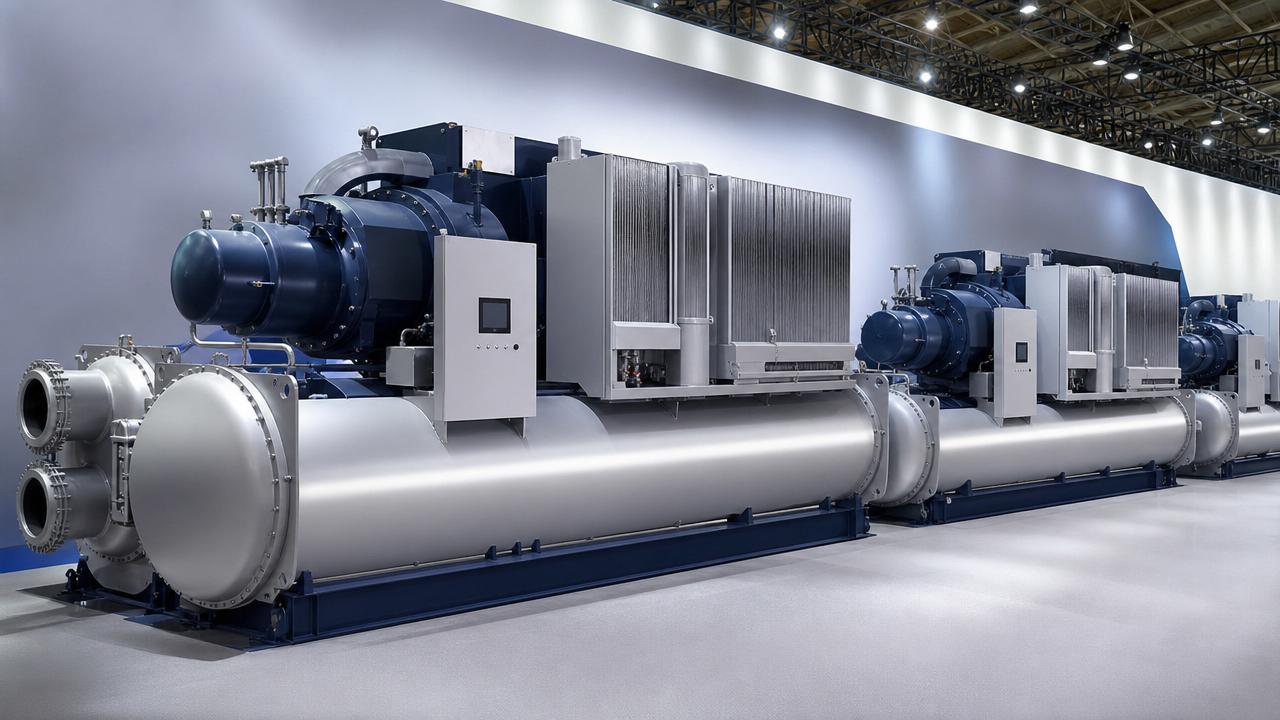
On May 27, 2026, the 12th Blue Bee International Cleanroom and Thermal Control Technology Exhibition concluded in Nanjing. The standout product was magnetically levitated (maglev) centrifugal chillers—particularly valued by buyers from Southeast Asia, the Middle East, and Eastern Europe for their ±0.01°C temperature control precision and heat recovery efficiency (COP ≥ 7.2), which align with infrastructure requirements for newly built BSL-3 laboratories and advanced semiconductor packaging facilities. This development signals shifting demand patterns in high-precision thermal management systems—and warrants attention from stakeholders in laboratory infrastructure, semiconductor manufacturing support, and HVAC export supply chains.
Event Overview
The 12th Blue Bee International Cleanroom and Thermal Control Technology Exhibition (Nanjing) closed on May 27, 2026. Maglev chillers equipped with magnetic levitation centrifugal compressors were highlighted as the most commercially successful product category. Official data indicated a 210% year-on-year increase in on-site export order signings from importers in Southeast Asia, the Middle East, and Eastern Europe. The exhibition also launched the Maglev Chillers Export Energy Efficiency Benchmarking Handbook.
Impact on Specific Industry Segments
Direct Export Trading Companies
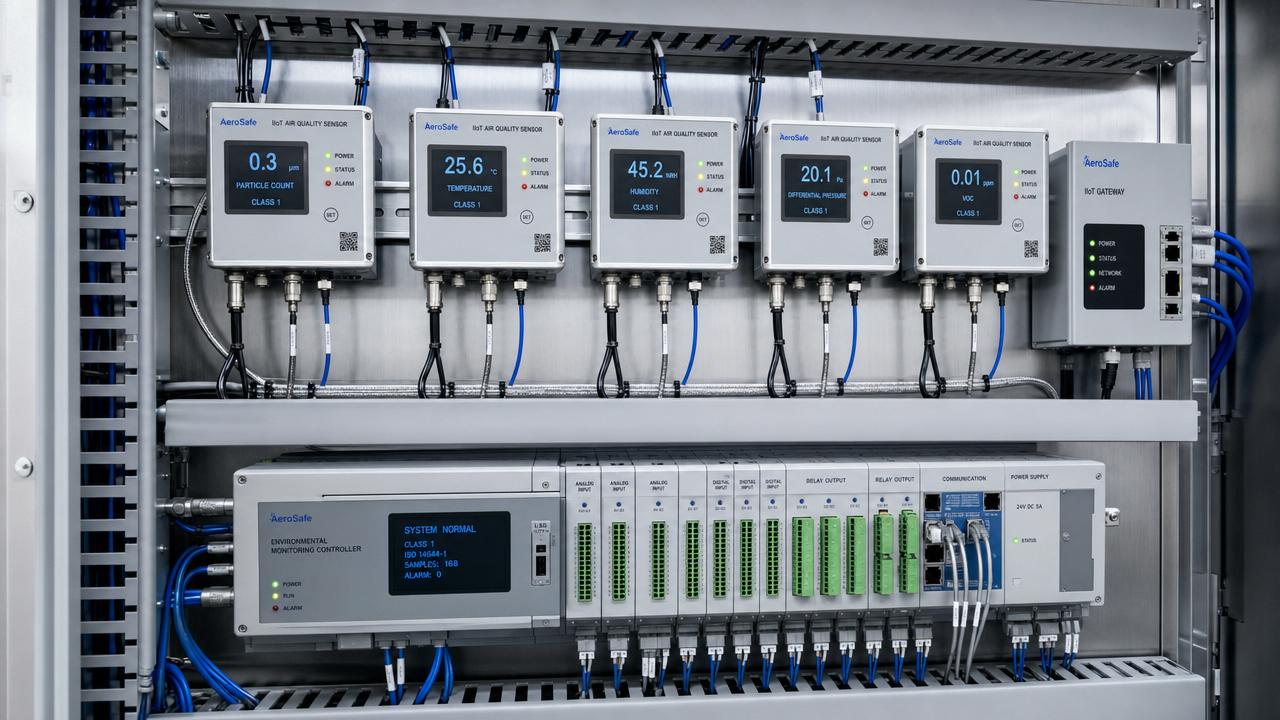
These firms face immediate implications due to the demonstrated demand surge in specific geographies. The 210% growth reflects not just volume but concentrated regional interest—particularly where regulatory standards for cleanroom and biosafety infrastructure are tightening. Impact manifests in revised lead-time expectations, increased scrutiny of compliance documentation (e.g., COP verification, ISO 14644-1 alignment), and pressure to scale logistics coordination for time-sensitive lab and fab installations.
Manufacturers of Precision Thermal Systems
Suppliers of maglev chillers or subsystems—including compressor module integrators and control algorithm developers—are affected through upstream demand signals. The emphasis on ±0.01°C control stability and COP ≥ 7.2 suggests tighter tolerances in sensor calibration, bearing design validation, and real-time thermal load modeling. These performance benchmarks may influence R&D roadmaps and third-party certification priorities over the next 12–18 months.
Engineering & Construction Firms Serving BSL-3 and Advanced Packaging Projects
Firms specifying HVAC solutions for high-containment labs or semiconductor facilities must now account for maglev chiller availability and integration complexity. The reported adoption trend implies longer-term shifts in equipment selection criteria—away from legacy screw-compressor systems toward full-life-cycle energy metrics. This affects tender documentation, commissioning protocols, and post-installation validation workflows.
What Relevant Enterprises or Practitioners Should Monitor and Act On
Track official updates to the Maglev Chillers Export Energy Efficiency Benchmarking Handbook
This document—released at the exhibition—is the first publicly available cross-market reference for maglev chiller performance validation. Its methodology, scope (e.g., whether it covers transient load conditions or only steady-state COP), and potential alignment with EU Ecodesign or ASEAN energy labeling frameworks will shape future market access requirements.
Monitor procurement patterns in BSL-3 lab construction and advanced packaging facility rollouts
Analysis shows that the 210% order growth correlates with national-level investments in biosafety infrastructure (e.g., post-pandemic lab expansion programs) and semiconductor supply chain localization initiatives. Tracking public tenders, government funding announcements, and EPC contractor award notices in target markets offers early insight into sustained demand drivers—not just one-off exhibition momentum.
Distinguish between exhibition-led commitments and actual delivery readiness
Observably, on-site signing activity does not equate to finalized contracts or production capacity absorption. Importers’ ability to fulfill orders depends on local certification timelines (e.g., Saudi SASO, Vietnam TCVN), financing mechanisms, and service network coverage. Exporters should prioritize verifying importer technical capability—not just commercial intent—before committing production slots.
Prepare for increased audit and documentation rigor in export shipments
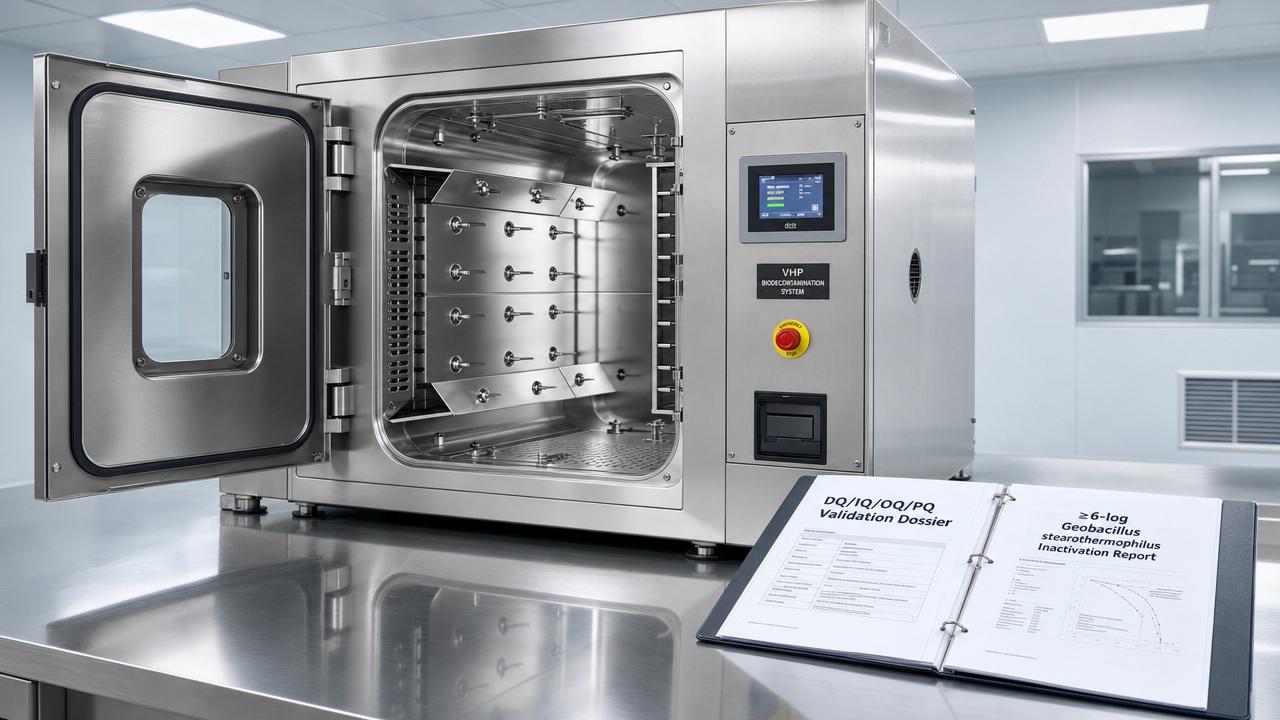
Given the application context (BSL-3 labs, advanced packaging), end-use declarations, material traceability records, and software validation reports are increasingly subject to customs and regulatory review. Current best practice includes pre-validating documentation packages against destination-country import advisories—especially where COP claims or temperature stability specs are referenced in tender terms.
Editorial Perspective / Industry Observation
This outcome is better understood as an early-stage demand signal—not yet a mature market shift. The 210% growth reflects concentrated buyer engagement at a specialized trade event, not broad-based industry-wide adoption. From an industry perspective, what matters most is not the headline figure itself, but the convergence of three factors: (1) tightening thermal control specifications in critical infrastructure projects; (2) growing cost-of-ownership awareness among facility operators; and (3) emerging policy-level incentives for high-COP HVAC in green lab/fab certification schemes. Continued observation is warranted over the next two quarters to assess whether this translates into repeat orders, extended warranty requests, or expanded application scopes beyond current use cases.
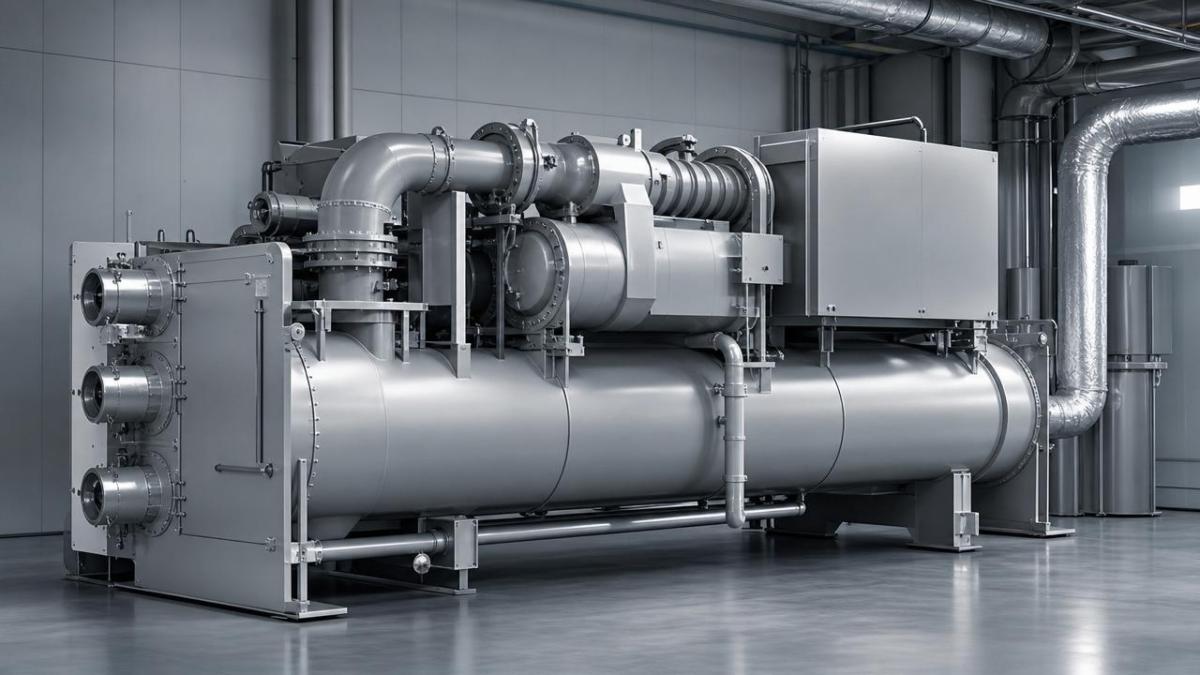
Conclusion: The Nanjing Blue Bee exhibition result highlights a narrowing gap between theoretical energy-efficiency advantages of maglev chillers and real-world procurement decisions—particularly where precision and lifecycle cost dominate over upfront price. However, the data remains confined to a single event and specific buyer cohorts. It is more appropriately interpreted as a directional indicator for thermal management system selection in mission-critical facilities, rather than evidence of systemic technology displacement across broader HVAC markets.
Source: Official press release and exhibitor data from the 12th Blue Bee International Cleanroom and Thermal Control Technology Exhibition (Nanjing), May 27, 2026. Note: The long-term uptake of maglev chillers outside the reported regions and applications remains under observation.
Get weekly intelligence in your inbox.
No noise. No sponsored content. Pure intelligence.
 Jun 01, 2026Market Intelligence Reports: Signals That Support 2026 Expansion PlansMarket Intelligence Reports reveal the technical, regulatory, and ESG signals leaders need to plan resilient 2026 expansions with lower risk and stronger ROI.
 Jun 01, 2026Matter Compatible Devices: Setup Risks in Mixed Smart HomesMatter compatible devices can simplify mixed smart homes, but setup risks remain. Learn how to avoid pairing issues, network gaps, feature limits, and automation conflicts.
 Jun 01, 2026USB C Docking Stations: Power Delivery Limits to Check FirstUSB C docking stations can make or break workstation stability. Learn the key power delivery limits to check before buying for safer, smoother daily operation.
 Jun 01, 2026Healthcare Analytics in 2026: Data Quality Checks Before DeploymentHealthcare Analytics in 2026 demands trusted data before deployment. Learn key quality checks for completeness, traceability, compliance, and safer go-live decisions.
 Jun 01, 2026OEM Machined Parts: Tolerance Risks That Raise Assembly CostsOEMmachinedparts tolerance risks can drive rework, delays, and hidden assembly costs. Learn how to control specs, suppliers, and sourcing decisions.
 Jun 01, 2026China Excludes UPW Regeneration Modules from Hazardous Waste RulesChina exempts UPW regeneration modules from hazardous waste rules—key update for semiconductor suppliers, fabs & logistics firms. Learn implications & compliance steps.
 Jun 01, 2026Blue Bee Expo 2026: Maglev Chiller Export Orders Surge 210%; ±0.01°C Control Now Key EU/US Procurement CriterionBlue Bee Expo 2026: Maglev chiller export orders surge 210%; ±0.01°C control & Digital Twin validation now mandatory for EU/US tenders.
 Jun 01, 2026ECHA Updates SCIP Rules: AMC Filtration Exporters Must Disclose Regeneration ParametersAMC filtration exporters must now disclose adsorbent regeneration parameters in SCIP submissions—key for EU compliance. Act before 1 July 2026.
 Jun 01, 2026IEC Revises IEC 60335-2-102: New Mandatory Real-Time Calibration for IIoT Air Monitoring in Class 1–9 SystemsIEC 60335-2-102 revision mandates real-time IIoT air monitoring calibration for Class 1–9 cleanroom systems—act now to ensure compliance, certification & market access.
 Jun 01, 2026FDA Tightens Import Rules for BSL-3/4 Decon SystemsFDA tightens import rules for BSL-3/4 decon systems: Full-cycle biological validation now mandatory for U.S. market access—act before May 30, 2026.
 May 31, 2026Corrugated Plastic Boxes for Retail Packaging: When to Use ThemCorrugated plastic boxes for retail packaging offer durable, reusable, moisture-resistant solutions. Learn when they outperform cartons and how to choose the right design.
 May 31, 2026OEM Machined Parts: Tolerance Risks to CheckOEM machined parts can hide tolerance risks that cause leaks, vibration, contamination, or compliance issues. Learn key checks before supplier approval.
 May 31, 2026Solar Panels Wholesale Cost Guide 2026Solar panels wholesale cost guide for 2026: compare pricing, landed costs, certifications, and supplier risks to buy smarter and protect long-term ROI.
 May 31, 2026Medical Grade Silicone: Key Safety ChecksMedical grade silicone safety checks for QC teams: verify compliance, traceability, compatibility, and performance to reduce contamination risk and downtime.
 May 31, 2026How to Size Fan Filter Units for ISO CleanroomsFan Filter Units sizing guide for ISO cleanrooms: learn how to balance airflow, coverage, pressure, heat load, and energy cost for reliable contamination control.
 May 31, 2026Blue Bee Expo Nanjing 2026 Closes: Maglev Chillers See 210% Overseas Order GrowthMaglev chillers drive 210% overseas order growth at Blue Bee Expo Nanjing 2026 — discover how ±0.01°C precision & ASHRAE 188-2024 Annex J compliance are reshaping global HVAC procurement.
 May 31, 2026FDA Updates BSL-3/4 Lab Equipment Import Rules for Decon SystemsFDA updates BSL-3/4 lab equipment import rules for decon systems—new VHP/GHP validation requirements take effect immediately. Act now to avoid shipment delays.
 May 31, 2026IEC Launches Revision of ISO Class 1–9 Cleanroom Standards with IIoT Air Monitoring Calibration RequirementIEC mandates IIoT air monitoring calibration for ISO Class 1–9 cleanrooms—key for pharma, semiconductor & biotech exporters. Act now to align with 2027 enforcement.
 May 31, 2026China Excludes UPW Resin Modules from Hazardous Waste RulesUPW resin modules now exempt from China’s hazardous waste rules—boosting export efficiency for semiconductor, pharma & electronics firms. Key update for global supply chains.
 May 31, 2026EU Adds DBDPE to SVHC Candidate List: AMC Filtration Exporters Must Update SDS and SCIPEU adds DBDPE to SVHC list—AMC filtration exporters must update SDS & submit SCIP notifications by 5 May 2026. Act now to avoid delays, audits, and lost tenders.
 May 30, 2026Industrial HVAC Tender Alerts: What to Track in 2026industrial hvac tender alerts in 2026 reveal project signals, compliance risks, and market opportunities—learn what to track to bid smarter and plan ahead.
 May 30, 2026Wireless EV Charging: Efficiency Losses ExplainedWireless EV charging efficiency losses explained: compare plug-in systems, key loss points, cost impacts, and procurement tips for smarter fleet decisions.
 May 30, 2026Solar Panels Wholesale USA: Price vs Warranty ChecksSolar panels wholesale USA buyers: learn how to compare price, warranty, supplier stability, landed cost, and documents to protect margins and buy with confidence.
 May 30, 20265 Axis Milling Cost Drivers to Check Before Quoting5 axis milling costs depend on material, tolerances, finish, inspection, and volume. Learn what to check before quoting to reduce risk and secure better value.
 May 30, 2026Surgical Instruments: Cleaning Risks Before SterilizationSurgical instruments cleaning risks before sterilization: uncover hidden residues, biofilms, water quality issues, and control steps that protect safety and audit readiness.
 May 30, 20262026 Blue Bee Expo Closes in Nanjing: Maglev Chillers’ Overseas Orders Surge 210%Maglev Chillers surge 210% in overseas orders at 2026 Blue Bee Expo Nanjing — discover how precision thermal stability is reshaping global HVAC procurement.
 May 30, 2026IEC Launches Global Revision of Cleanroom Standards with IIoT Air Monitoring Calibration RequirementIEC’s new cleanroom standards mandate IIoT air monitoring calibration—NIST-traceable, blockchain-verified, ≤72h intervals. Critical for semiconductor, biopharma & medtech.